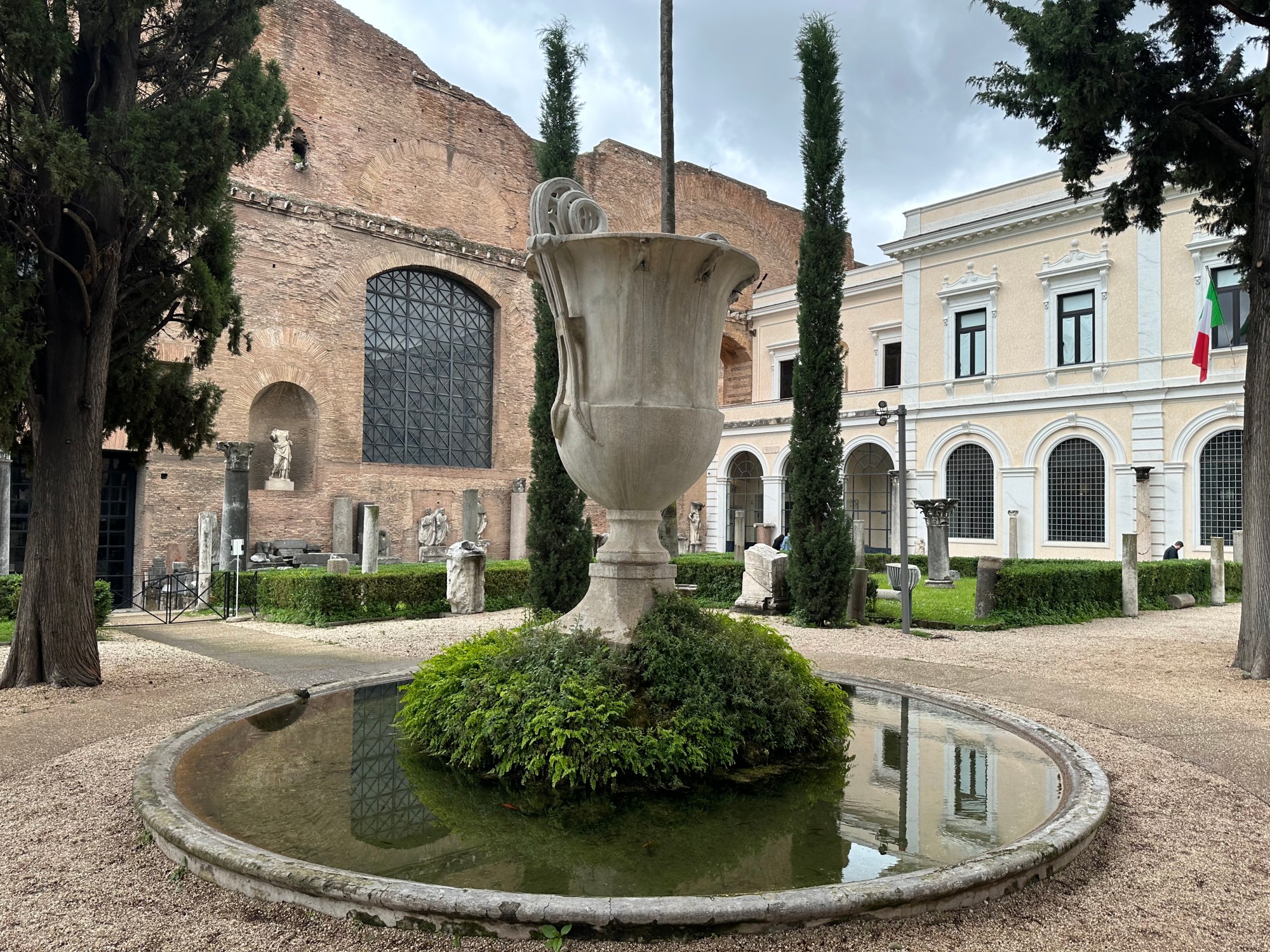
Ons of the four museums that make up the Museo Nazionale Romano, the Baths of Diocletian were built between 298 and 306 C.E. They were gigantic. I previously wrote about a lovely round church built from part of the bath complex. There’s a second church, designed by Michelangelo, that was built out of the remains of the baths. The majority of the bath complex, however, is preserved as a museum. The museum space is so large that it encompasses several “museums within a museum:” the Baths themselves, the Charterhouse of Santa Maria degli Angeli, the Museum of Written Communication in the Roman World, and the Museum of the Protohistory of the Latin Peoples.
You can spend hours here — I certainly did on my last visit. It had been more than decade since I had been here. The place is so large that I ran out out of energy by the time I made it to the Protohistory section. Save that for a free first Sunday.
The entrance to the museum is a lovely introduction.
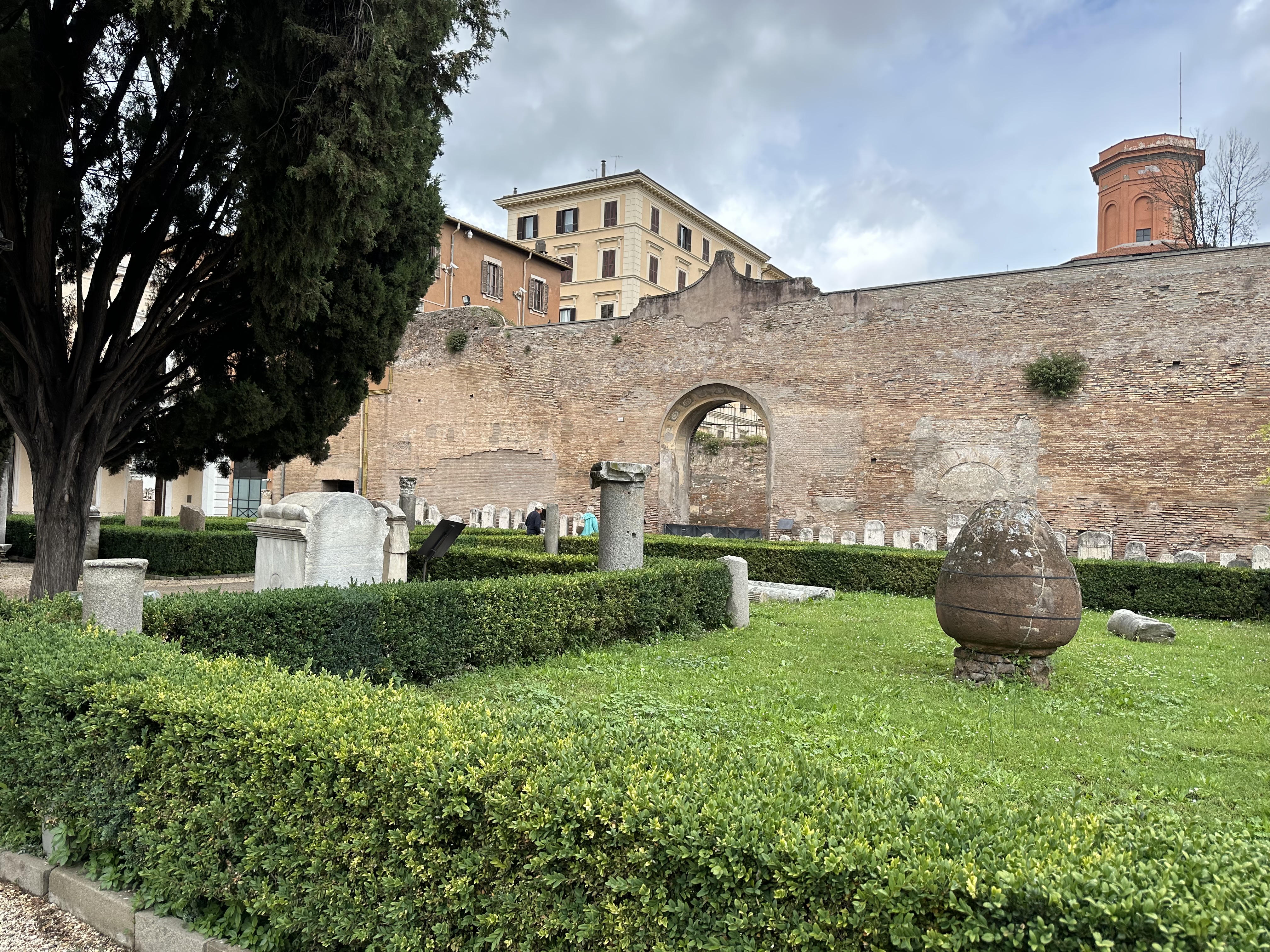
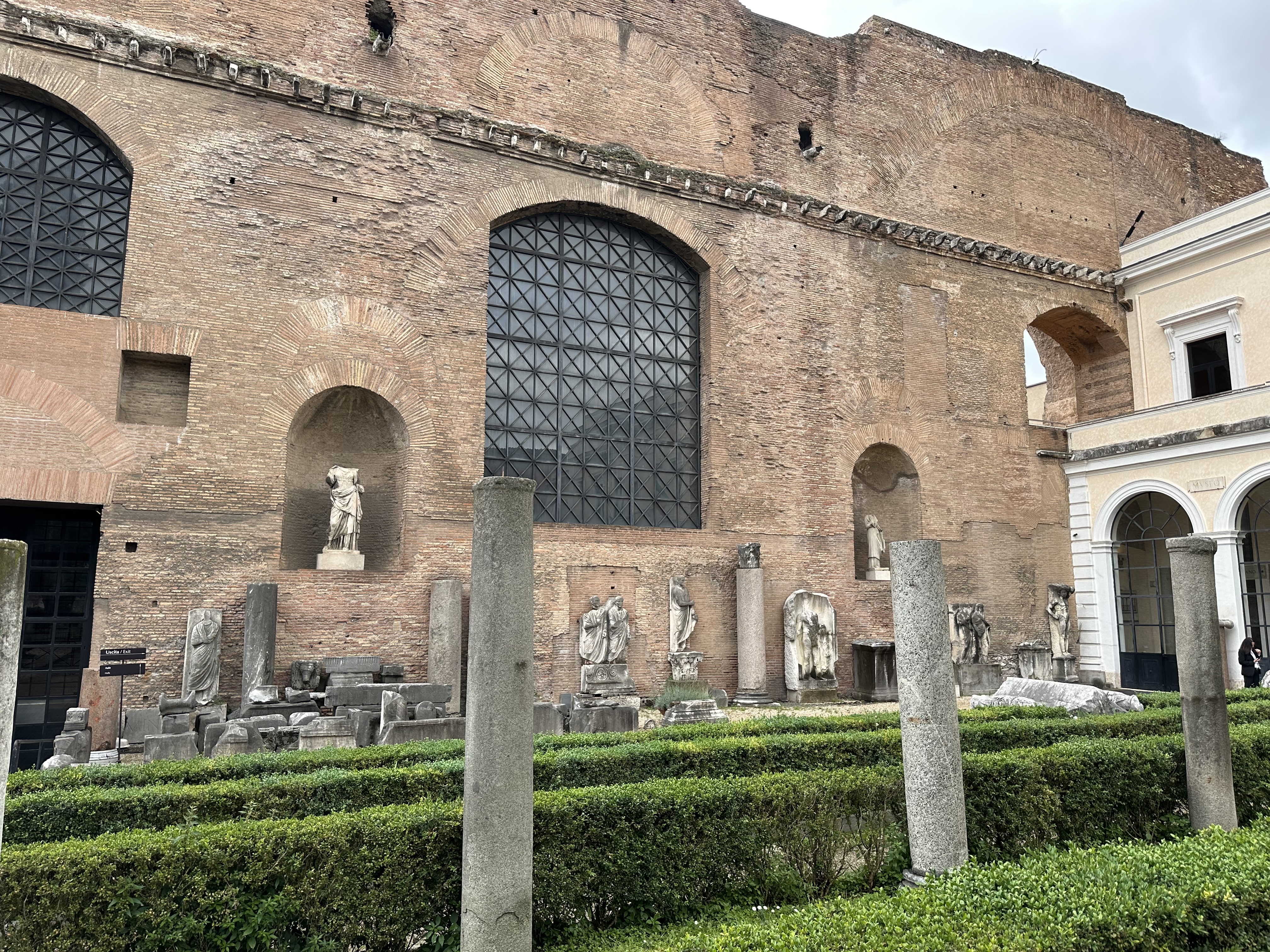
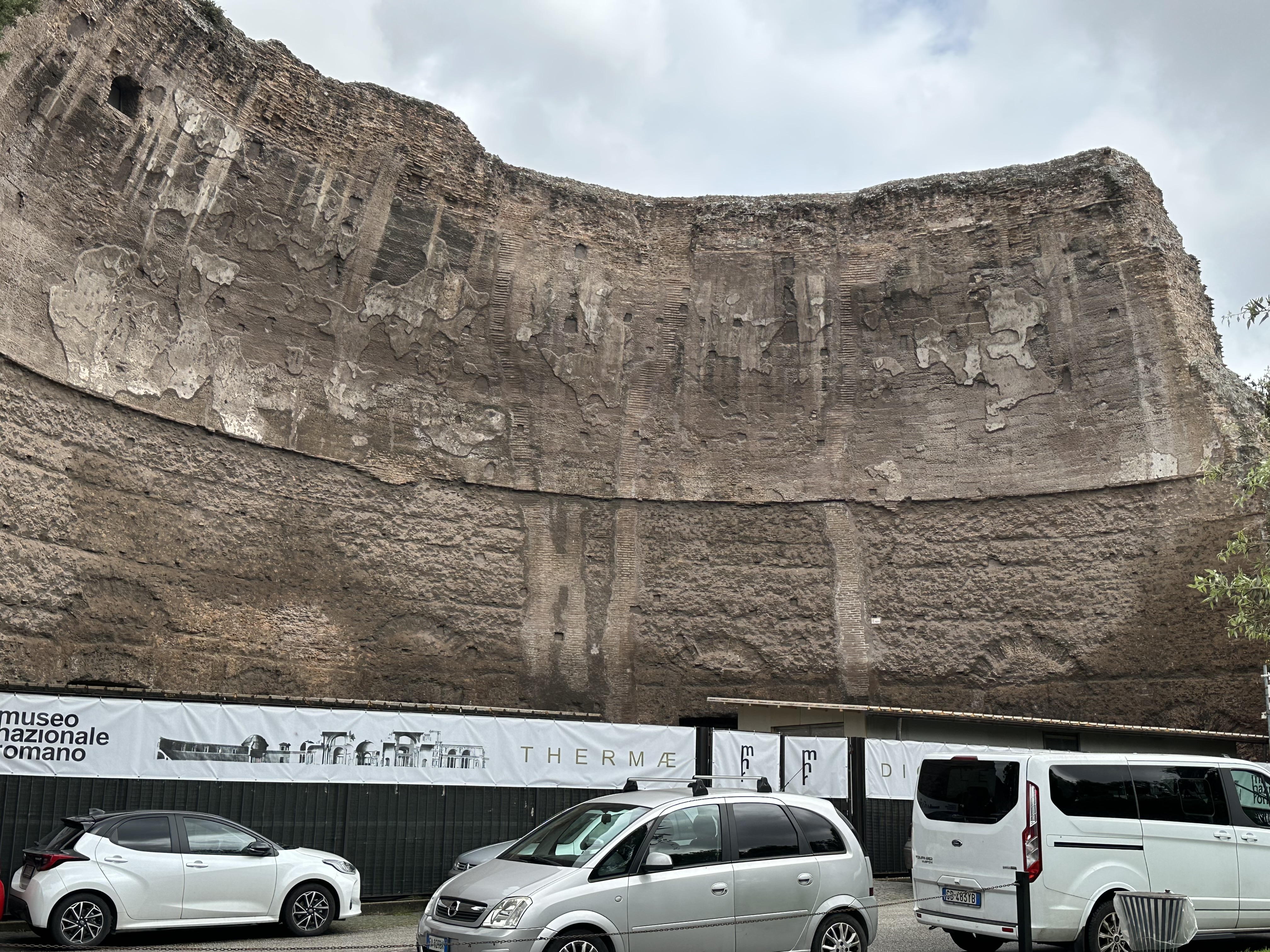
The Baths themselves are impressive, albeit smaller than the enormous ruins of the Baths of Caracalla.
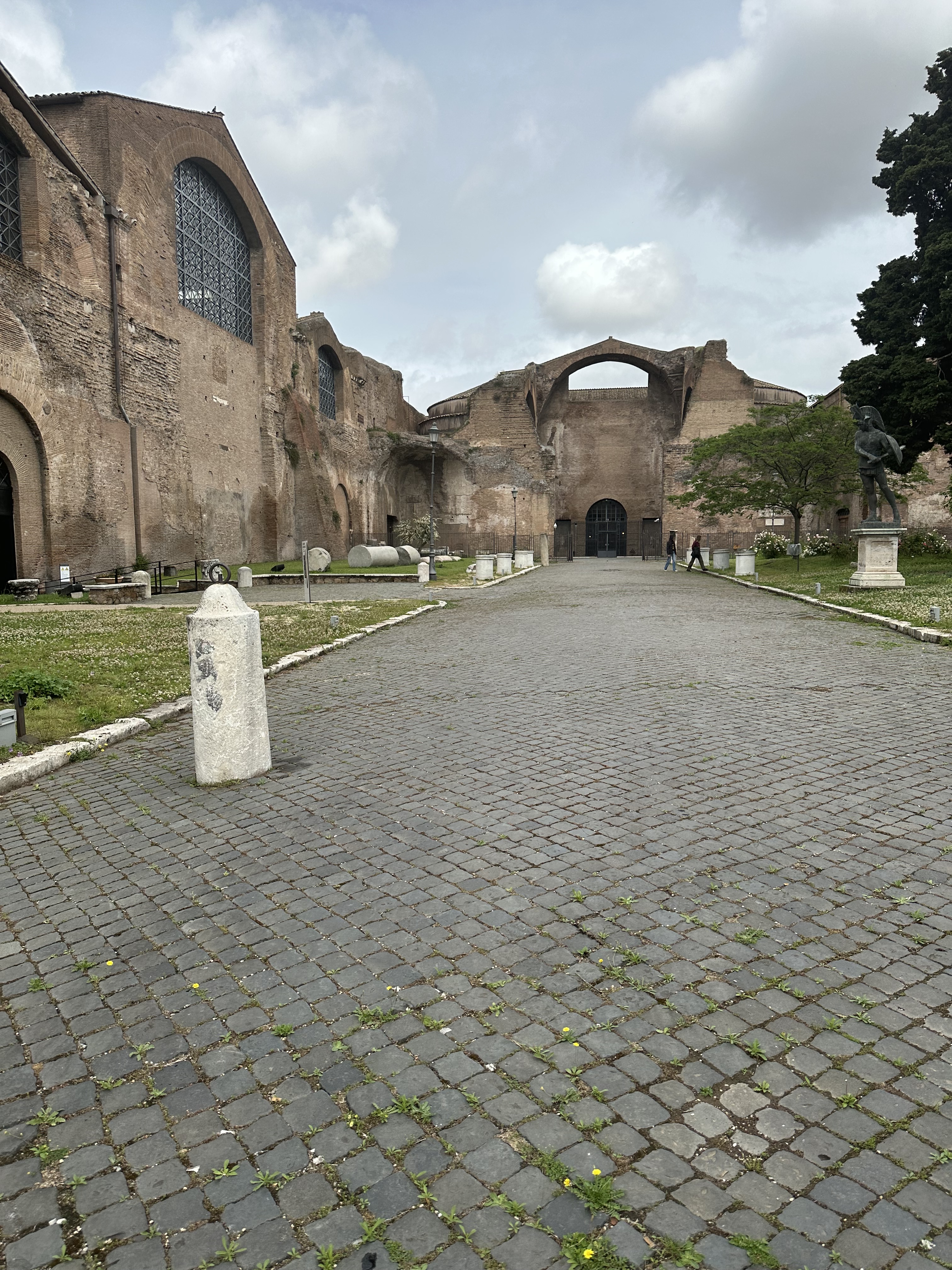
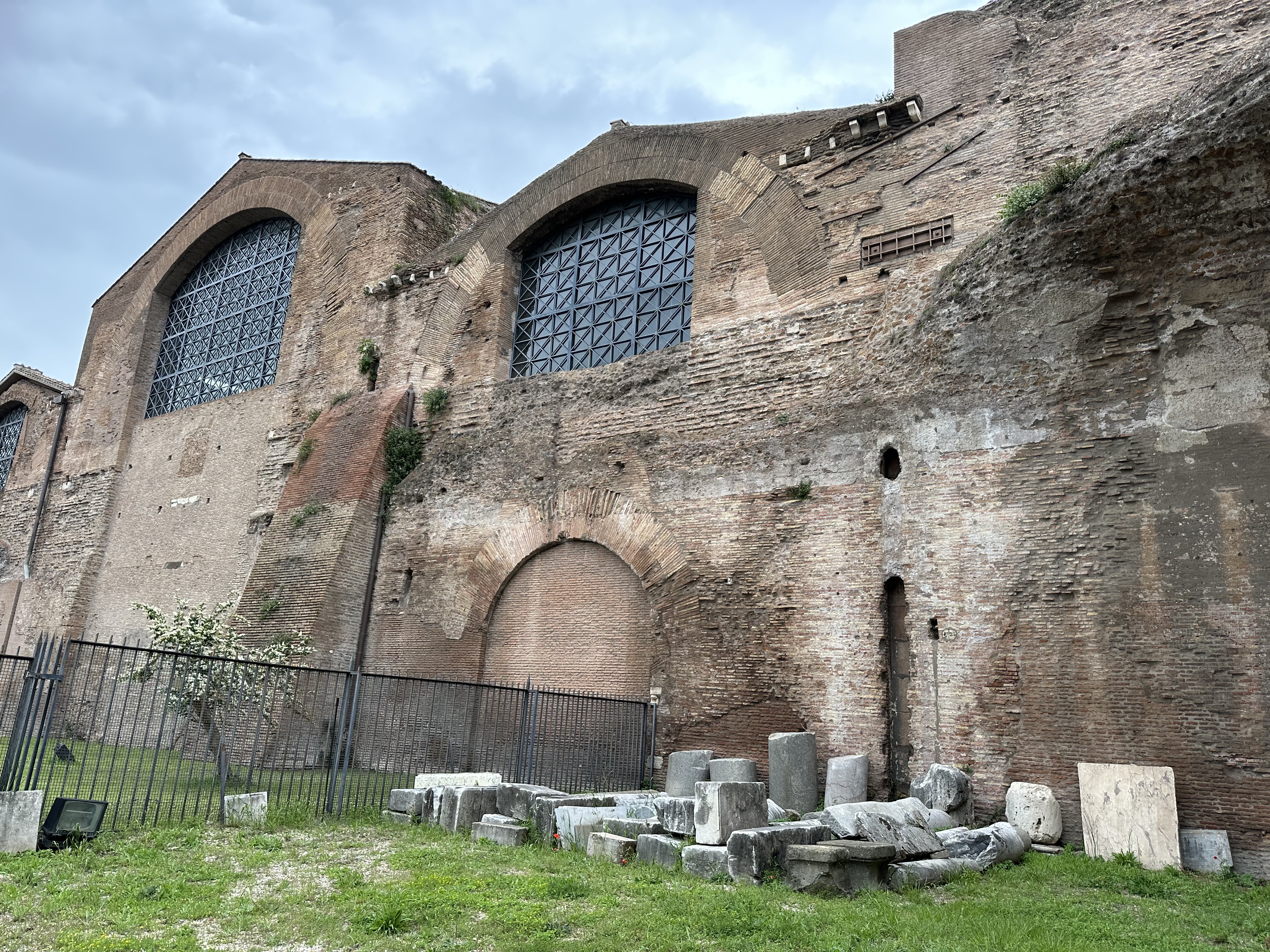
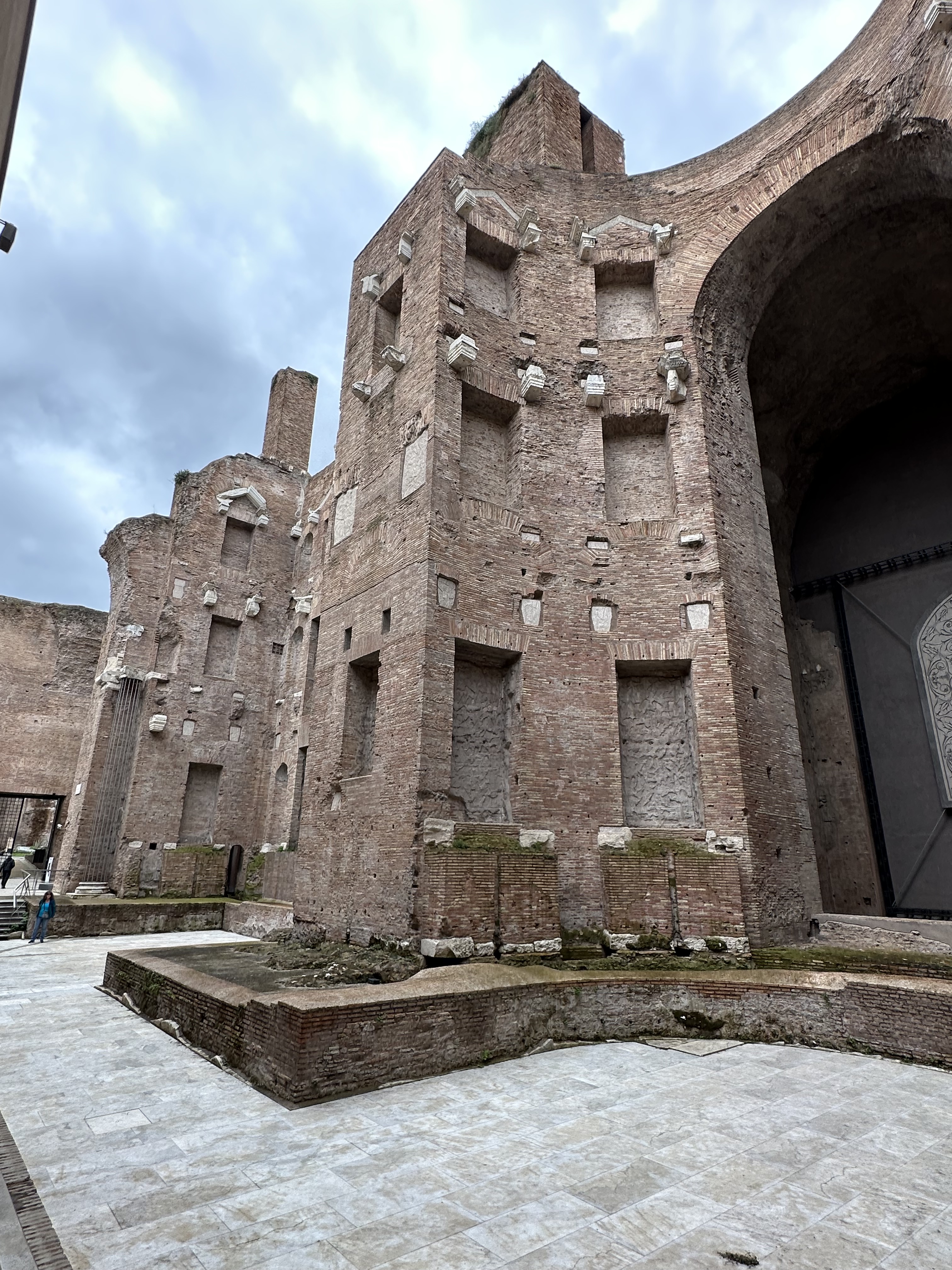
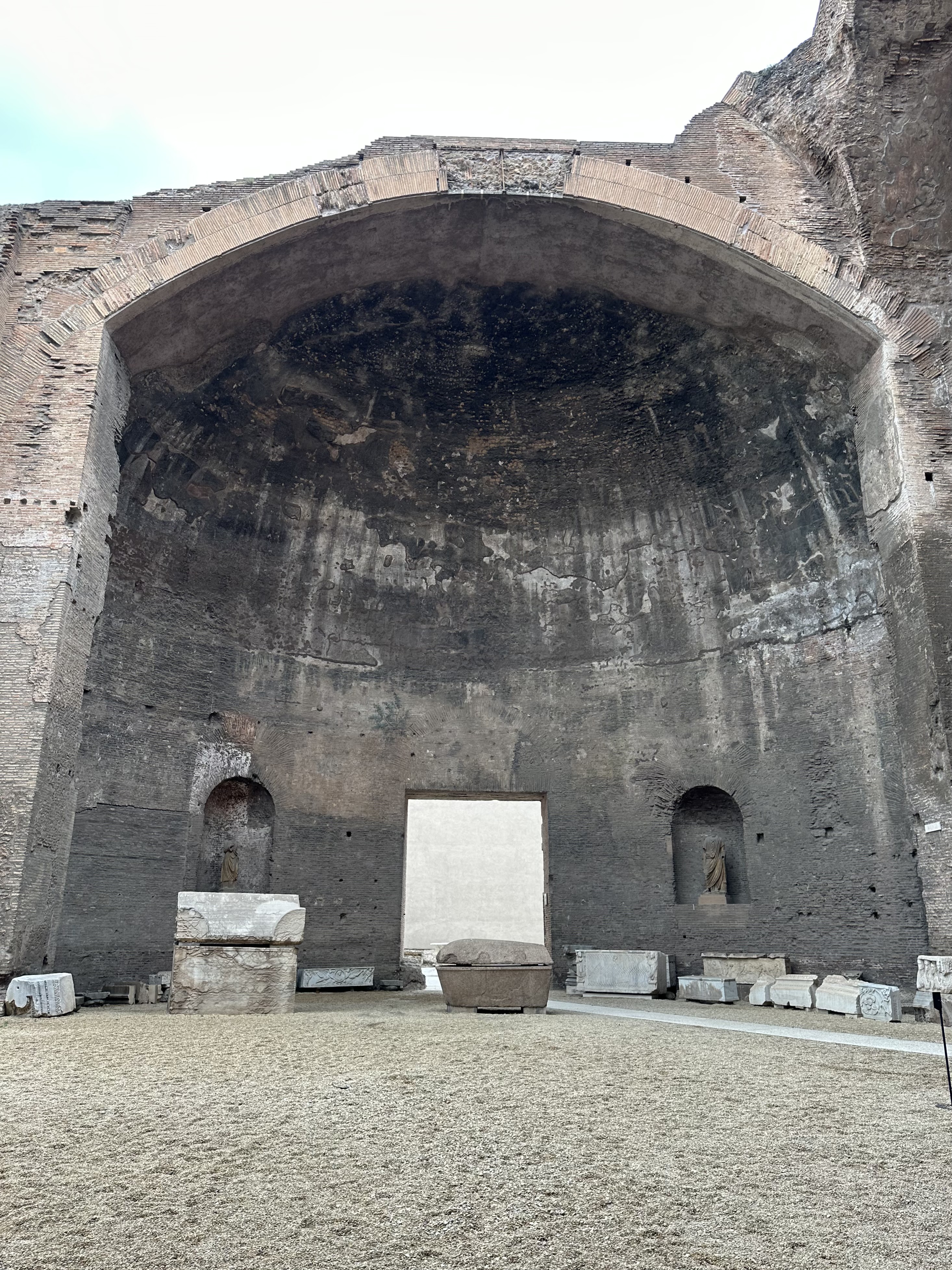
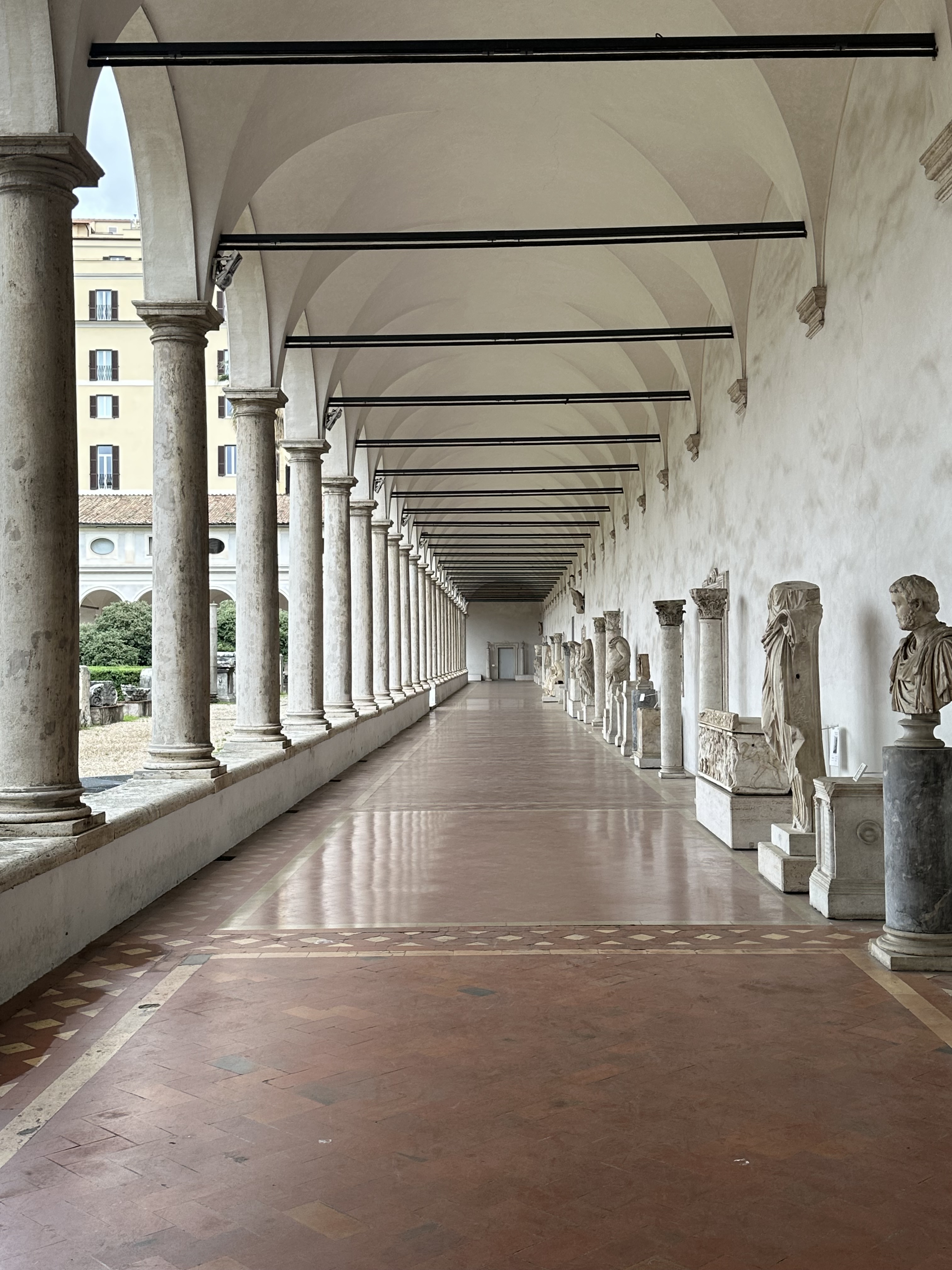
I headed to the Charterhouse first, since it is open to the elements and the sky was looking grey that day.
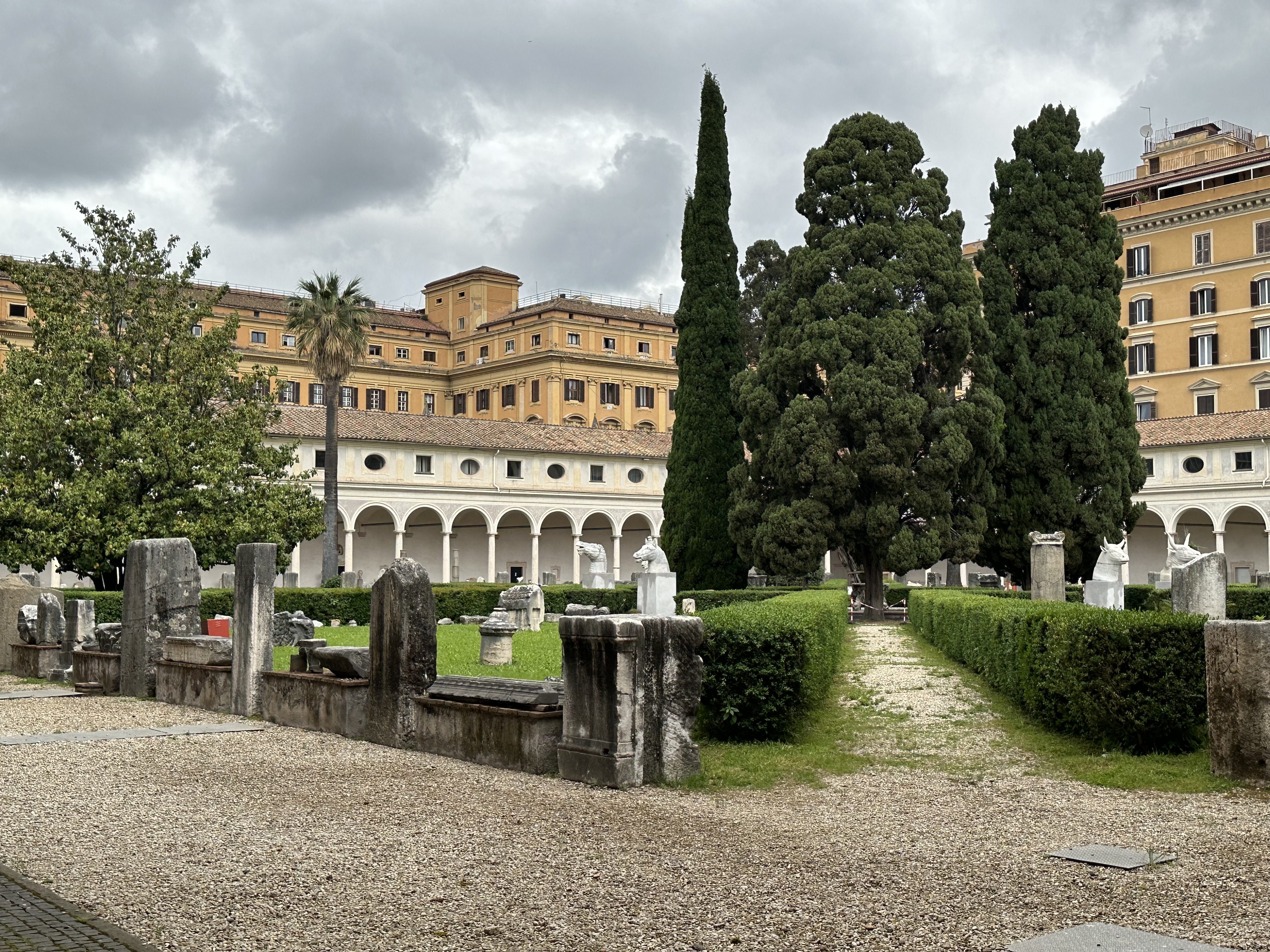
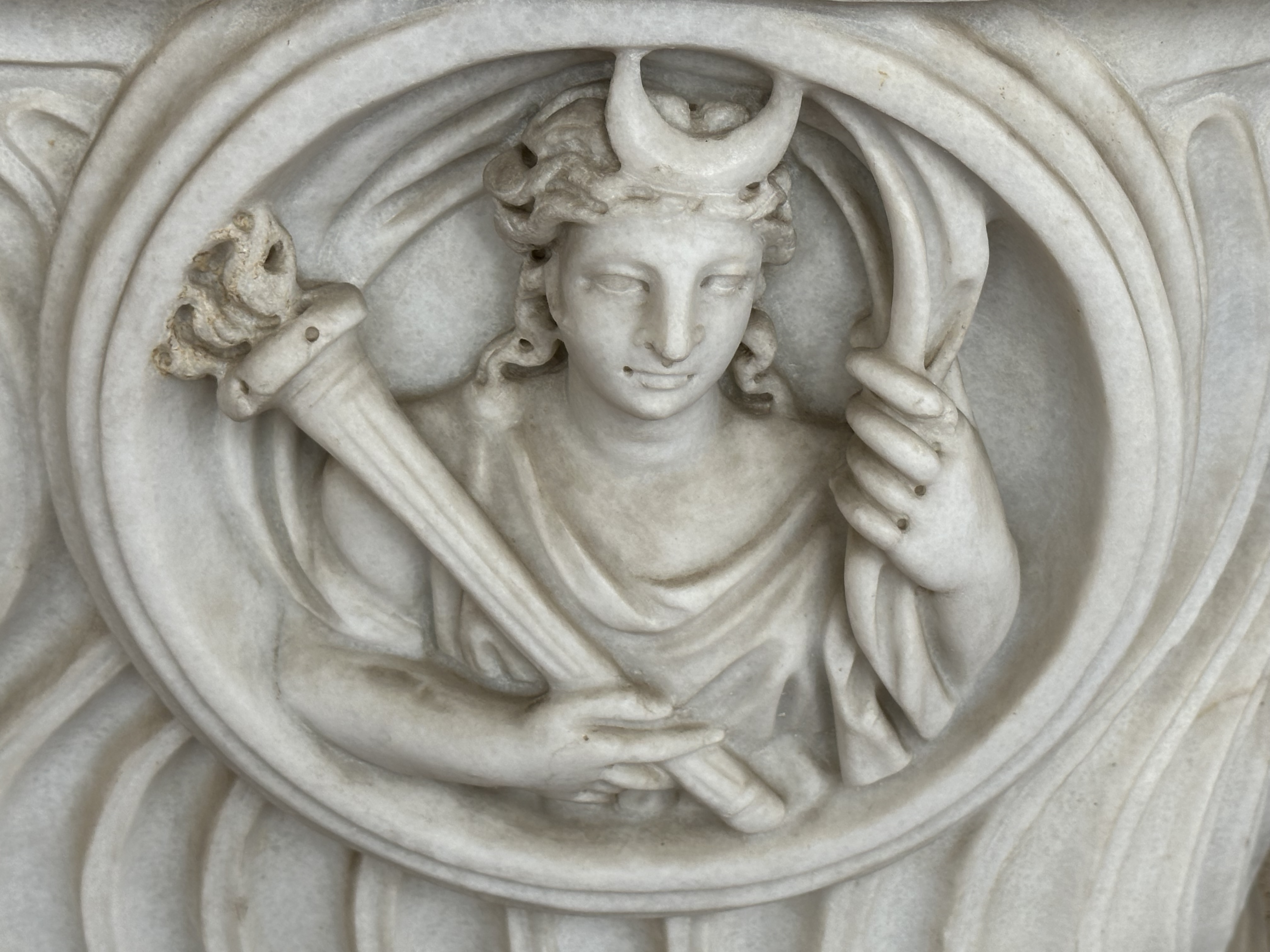
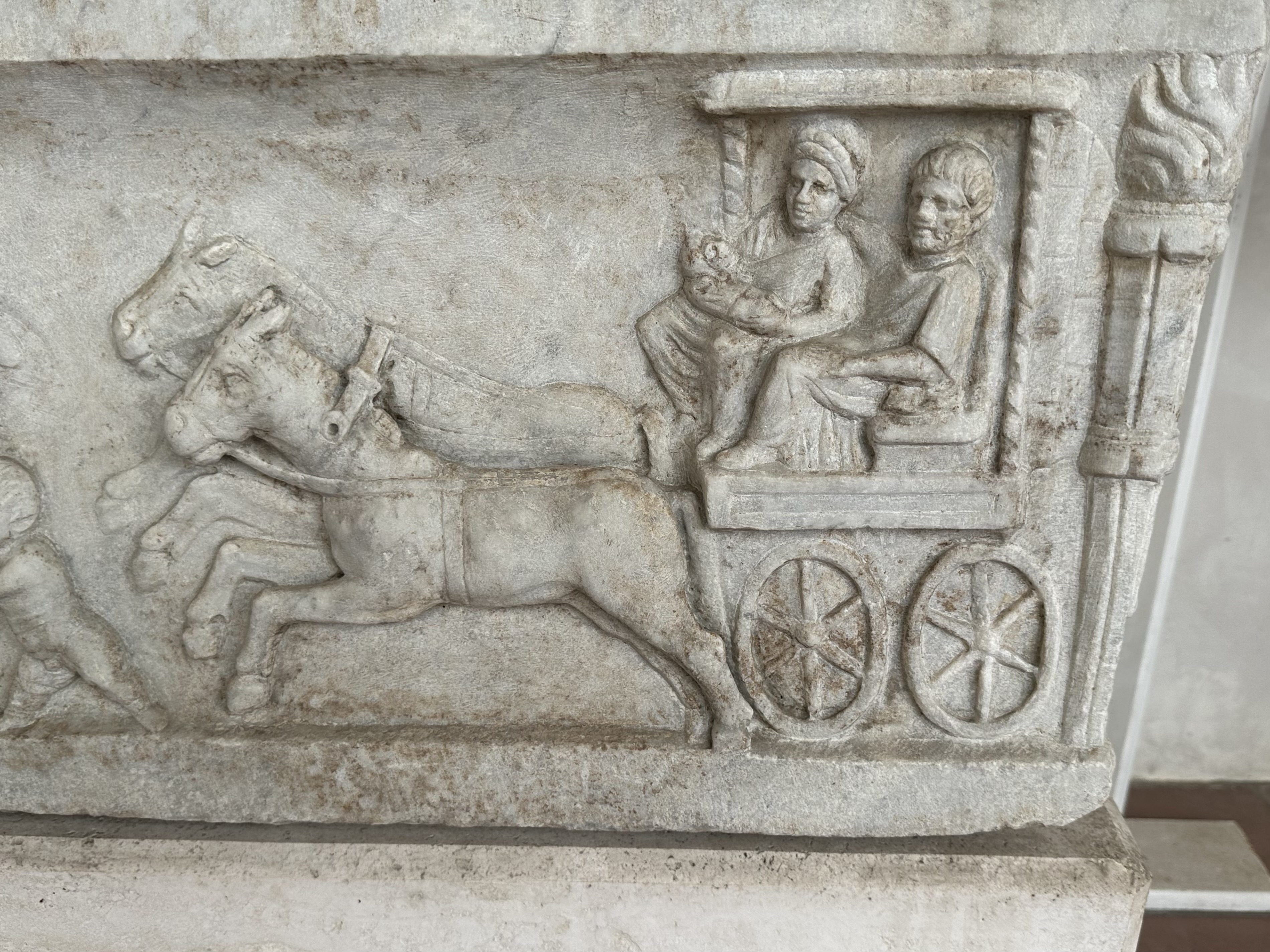
There are the obligatory Roman sarcophagi,
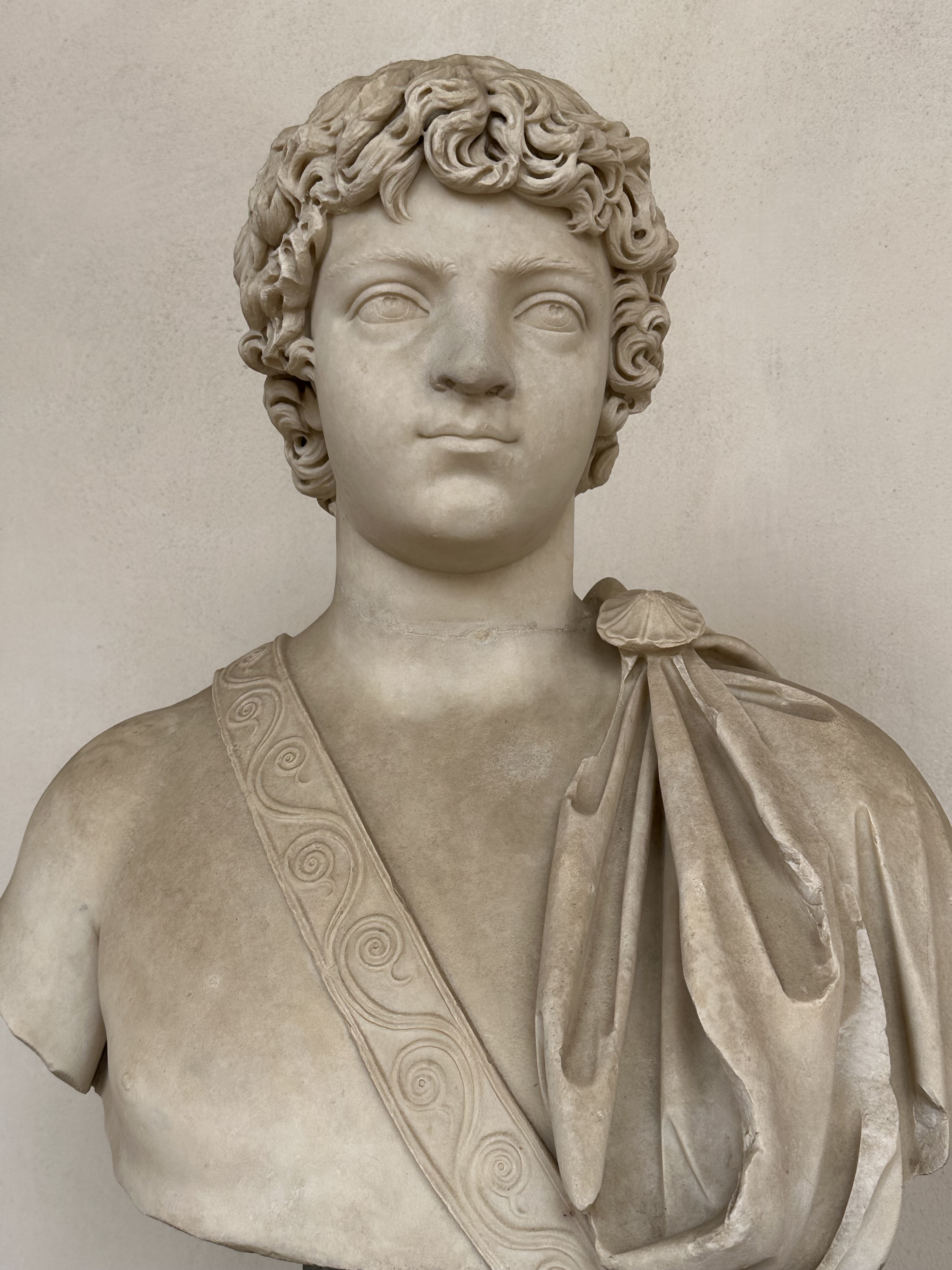
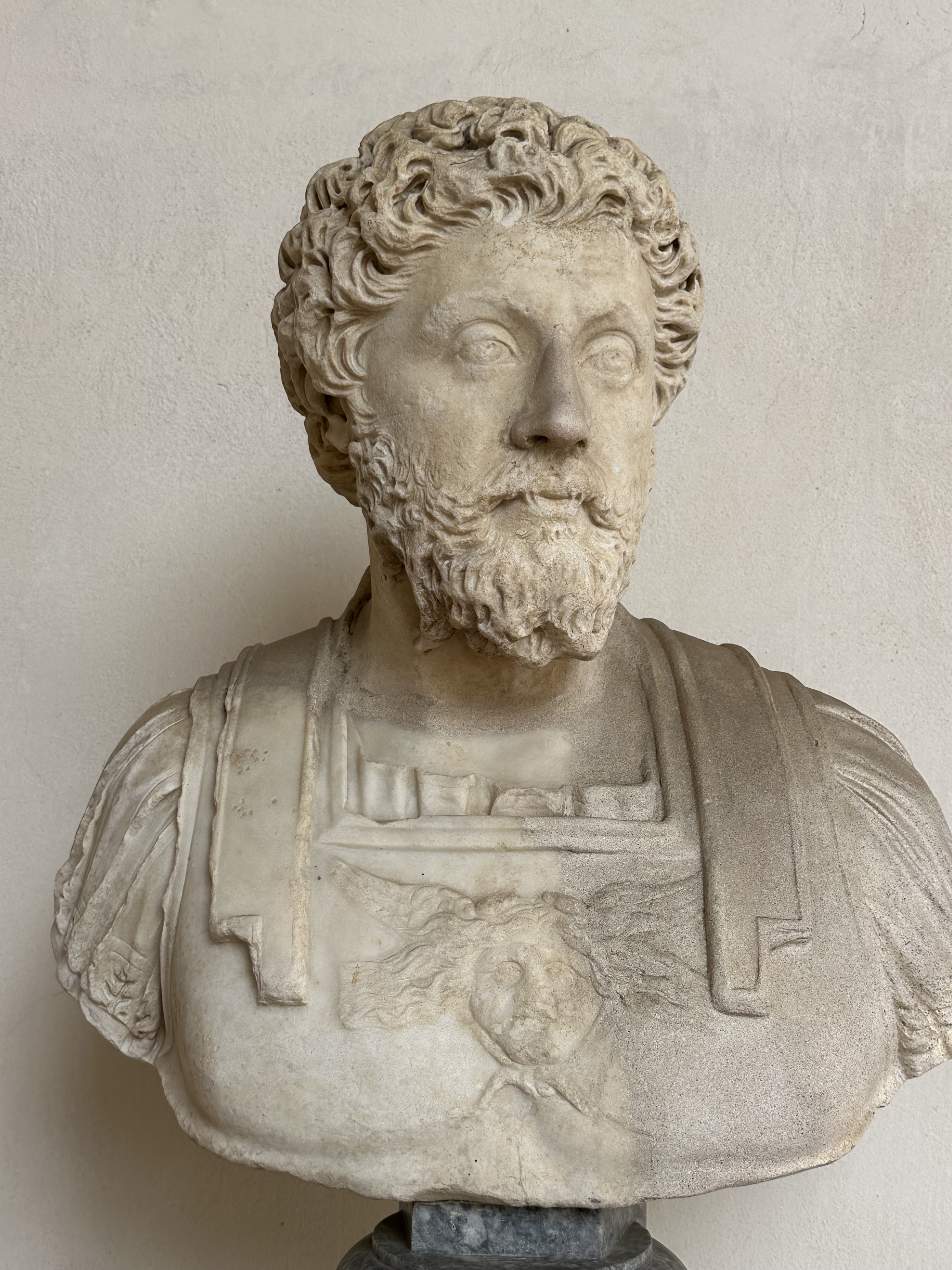
There are numerous heads, busts, and statues.
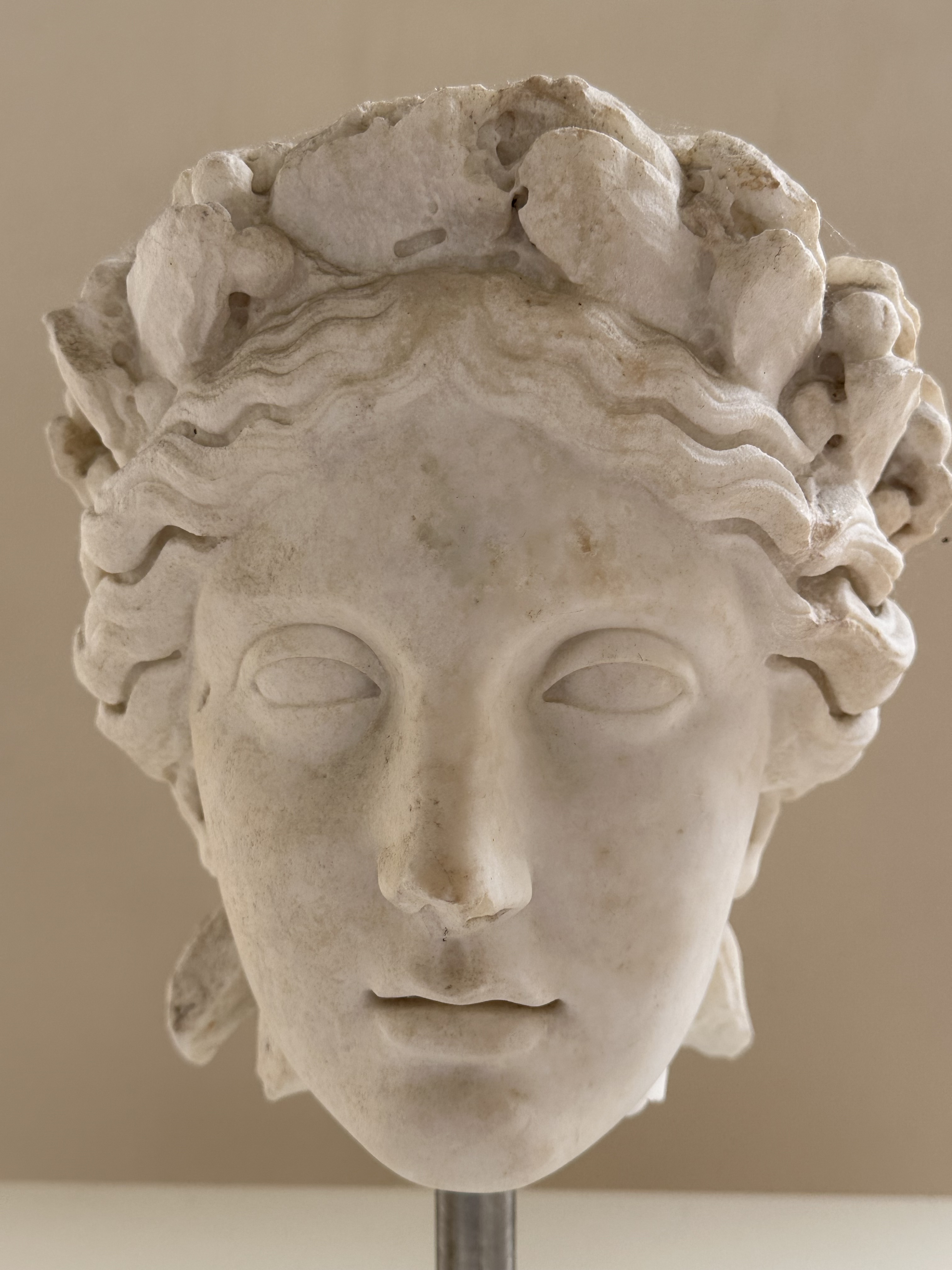

Of course, there were a few Roman Emperors.

It is, however, the funerary monuments that always intrigue me. From them, we can learn a little about the people (and, sometimes pets!) they celebrated, and the people who loved them. It is indeed the writings of these ancient Romans that can quite clearly “speak” to us through the millennia. Next, we will turn to the massive collection of ancient Roman writings at this wonderful museum.

 The Spanish Steps Apartment on Via della Mercede