
When the Vatican was excavating for a parking garage, they found the Via Triumphalis necropolis. When the dentist association ENPAM was excavating for a parking garage, they found the Horti Lamiani gardens of the crazy Emperor Caligula (the moral here: if you think you can easily build an underground parking garage in Rome, you may be crazy too).
You might have seen the U.S. television 60 Minutes segment on this discovery. Anderson Cooper actually got to sit on the ancient marble steps that, long ago, Caligula himself may have walked down. When 60 Minutes produced its report, the excavated site was scheduled to become Rome’s newest museum. To my surprise (this being Rome, where everything is long delayed) it actually opened shortly after the 60 Minutes report.
By chance, I recently found the gardens while out strolling the Esquilino. They are at the Nymphaeum Museum of Piazza Vittorio, or Museo Ninfeo for short. Fortunately for me, it was a weekend, which is when the museum happens to be open. Its website recommends reservations, but I took a chance and popped right in. The polite security guard called downstairs from where a nice lady came up to collect me and take me to the museum, which is, obviously, down in the basement. I bought my ticket — rather steep at €11 — she handed me an audioguide, and off I went. I was one of only five people there (the second moral here: when you stumble upon a place you want to see, carpe diem and go in).
The Museo Ninfeo is a small, interactive museum showcasing the archaeological finds while trying to give you an idea of just how marvelous these vast gardens were all those years ago.

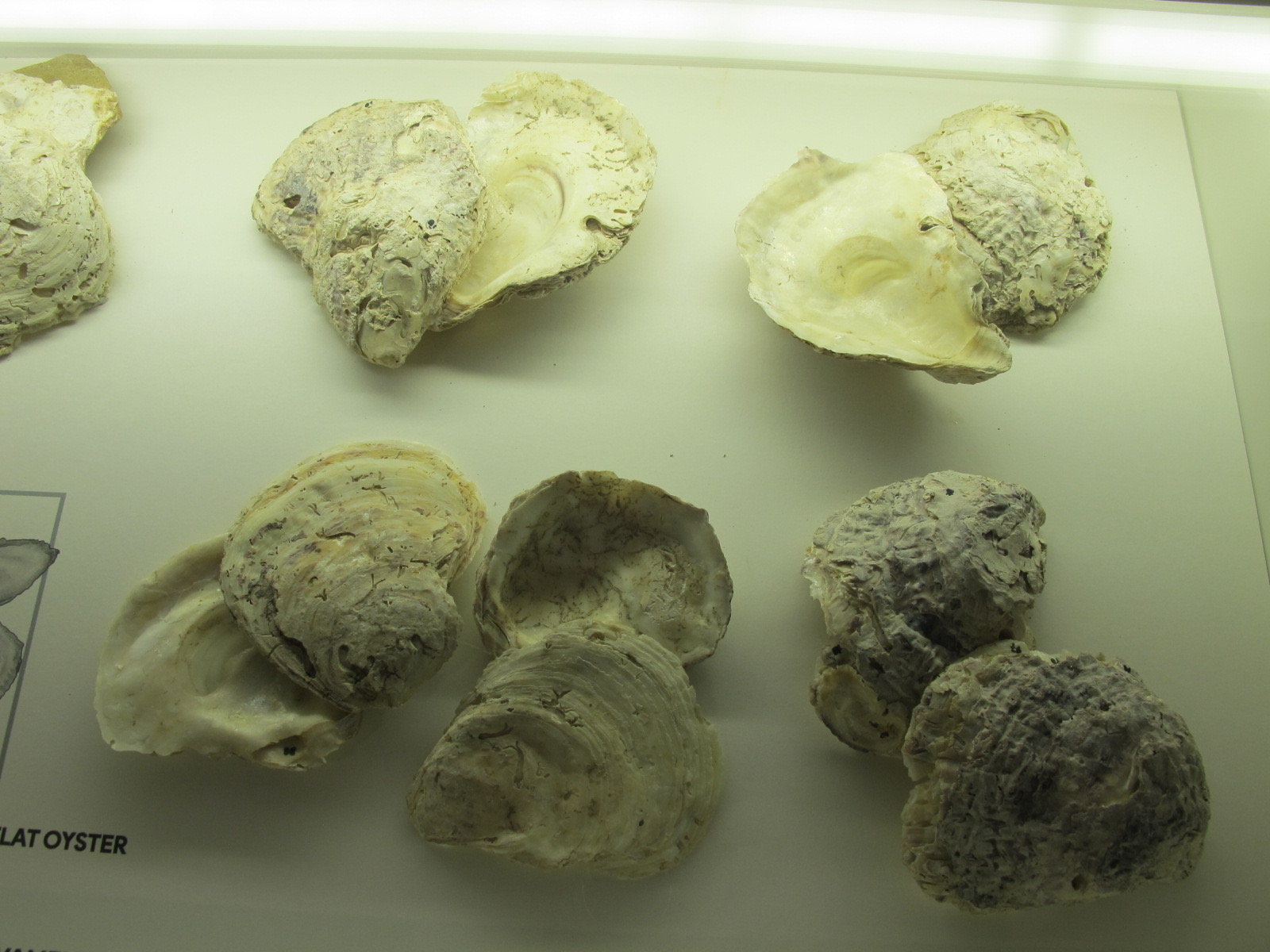
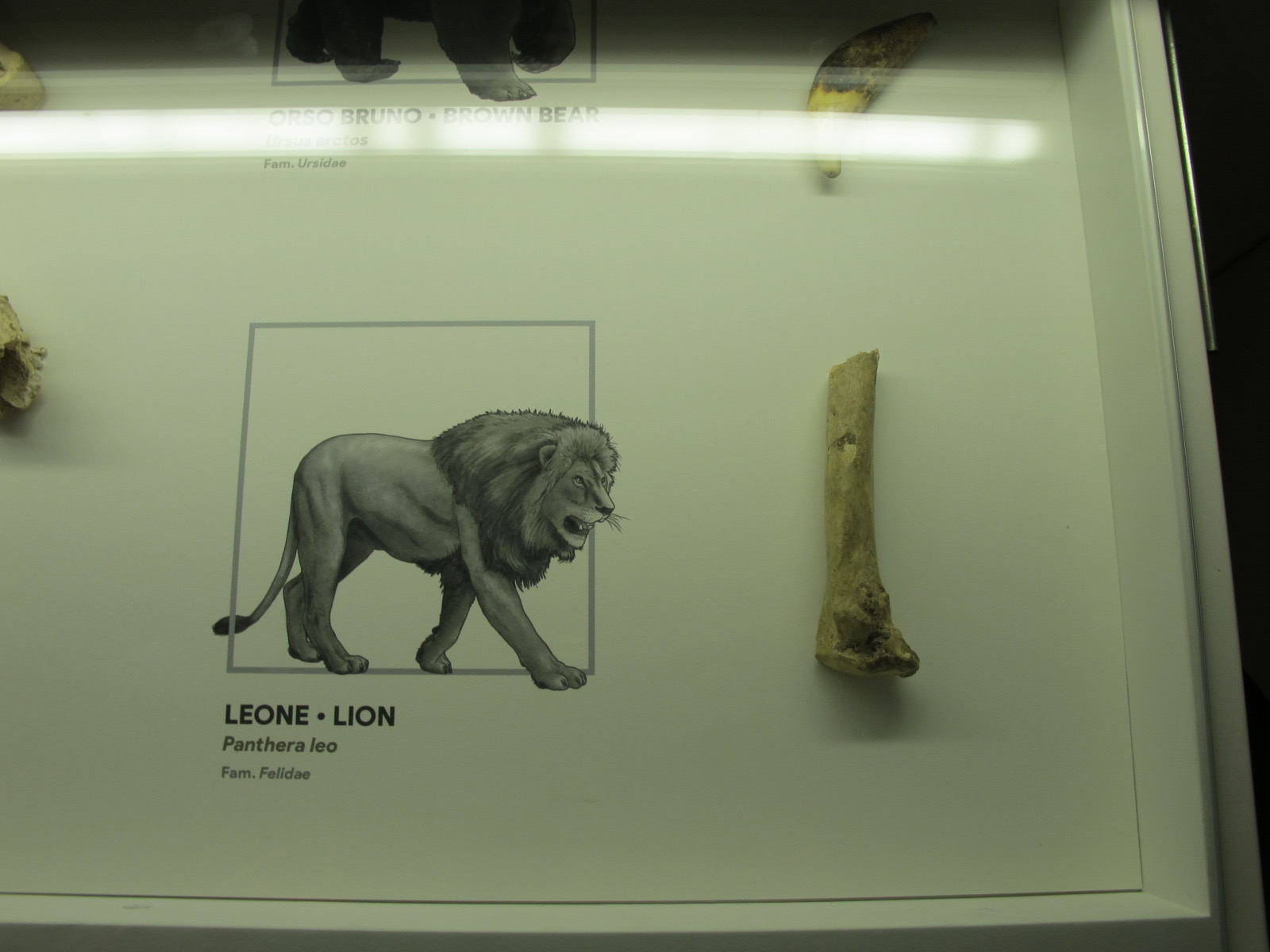
Being an archaeology nerd, I particularly liked going through the various pull-out drawers that showed what plant and animal remains were found here. Some things were expected, such as olive pits and oyster shells, since there would have been lavish banquets in the gardens. But there were some unexpected things, such a lion’s bone. Apparently, Caligula had exotic animals here for his enjoyment.



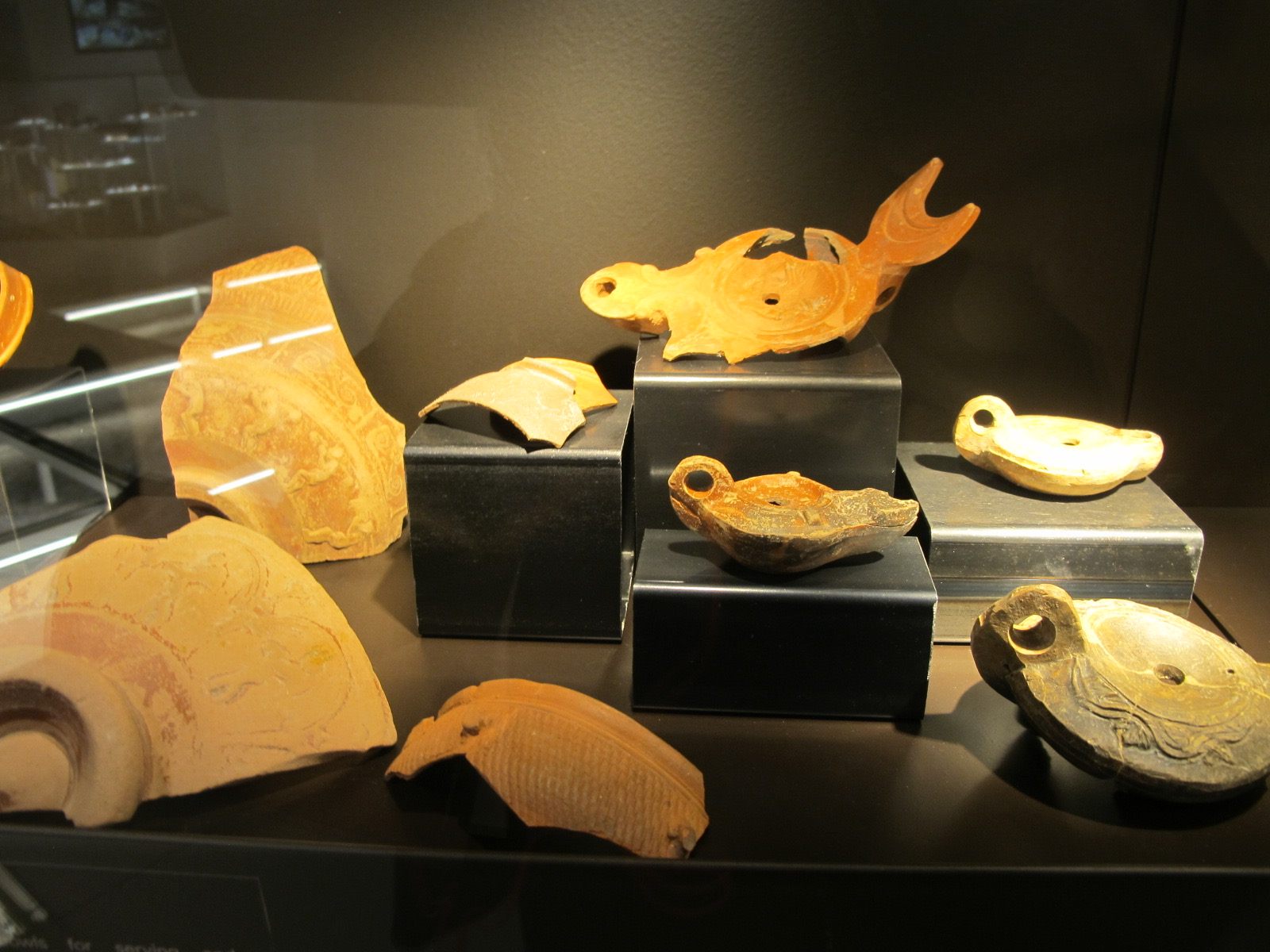
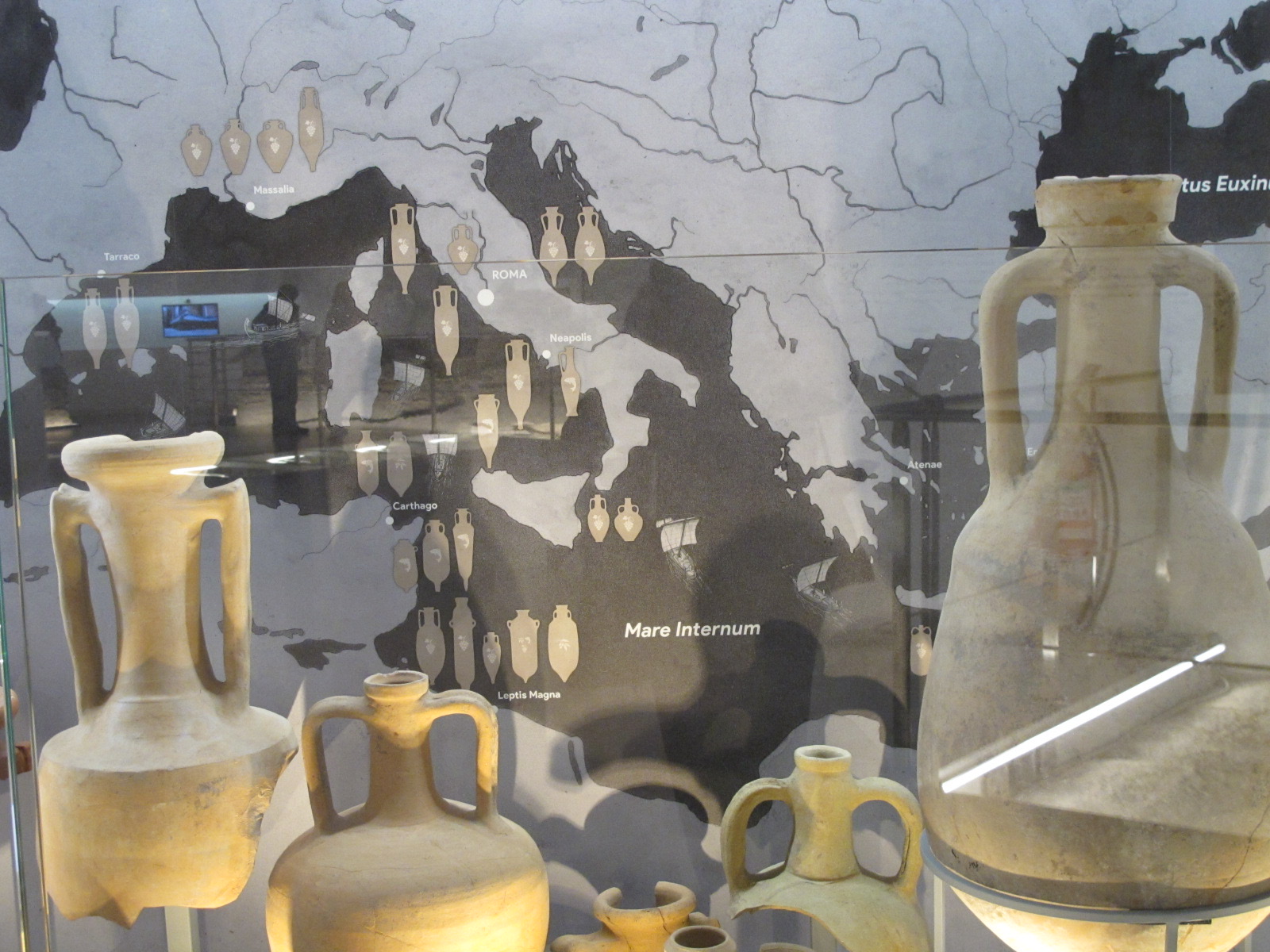
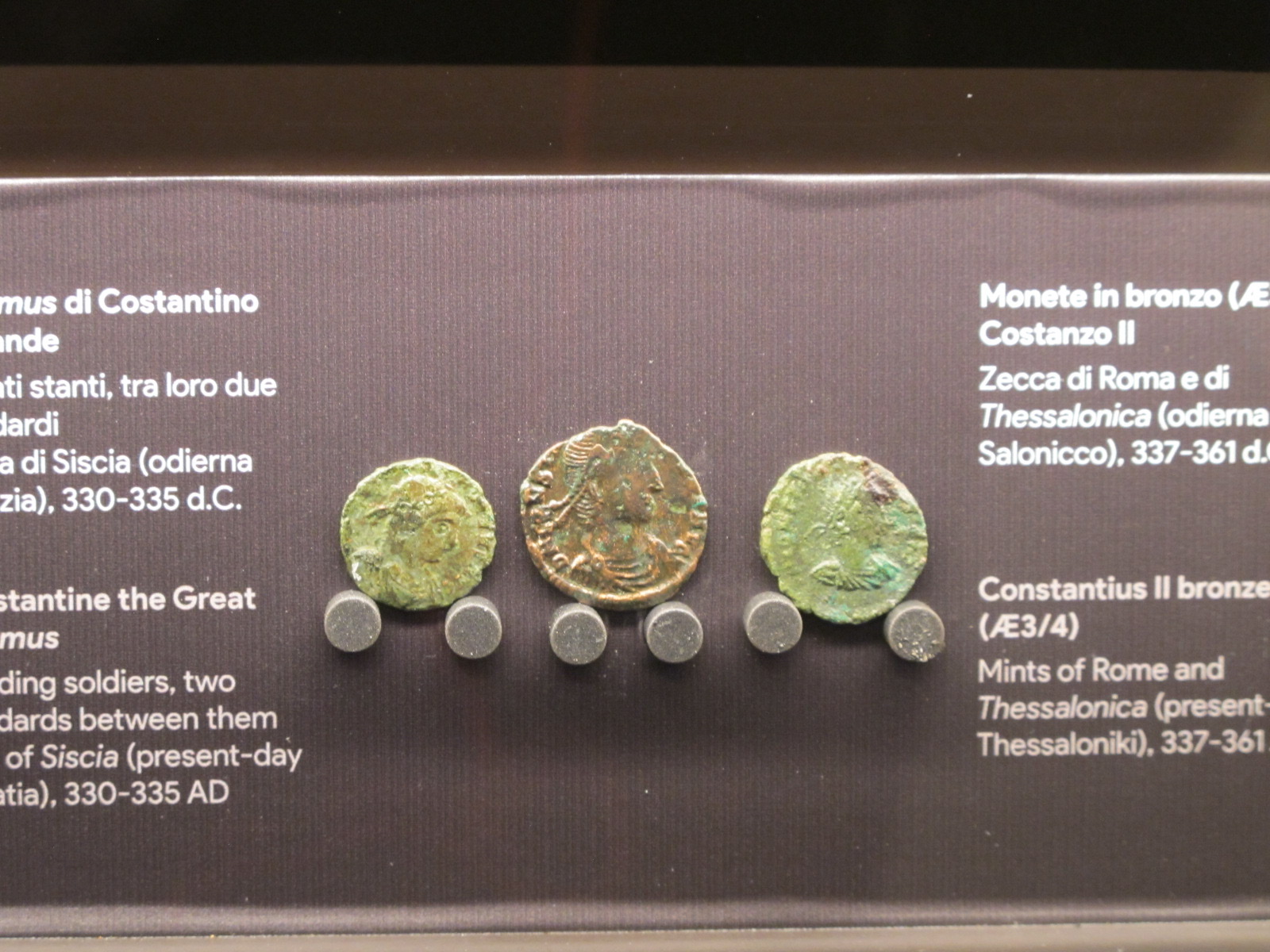
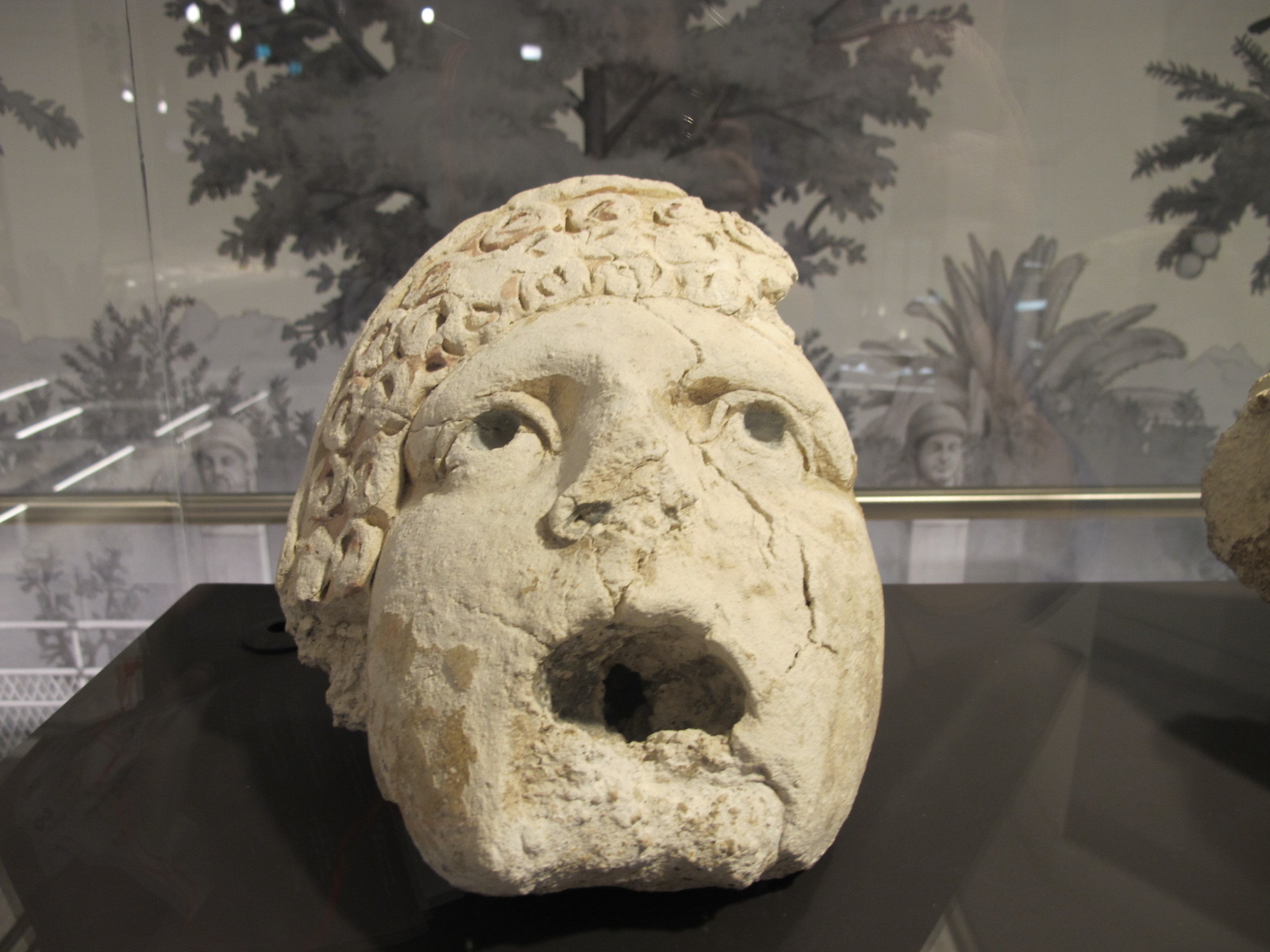
There were, of course, the obligatory cases of pottery sherds and other items found during the excavations.
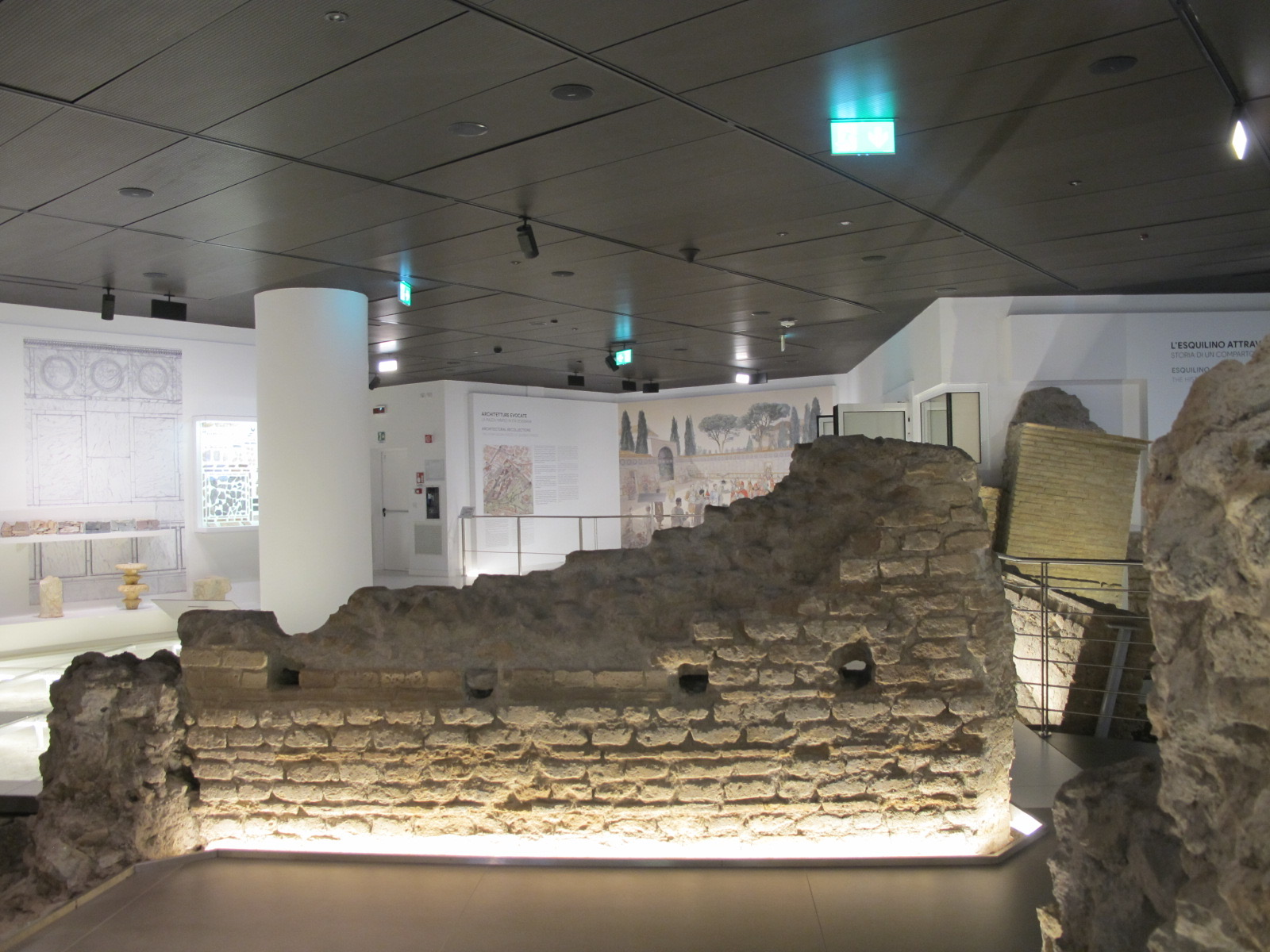
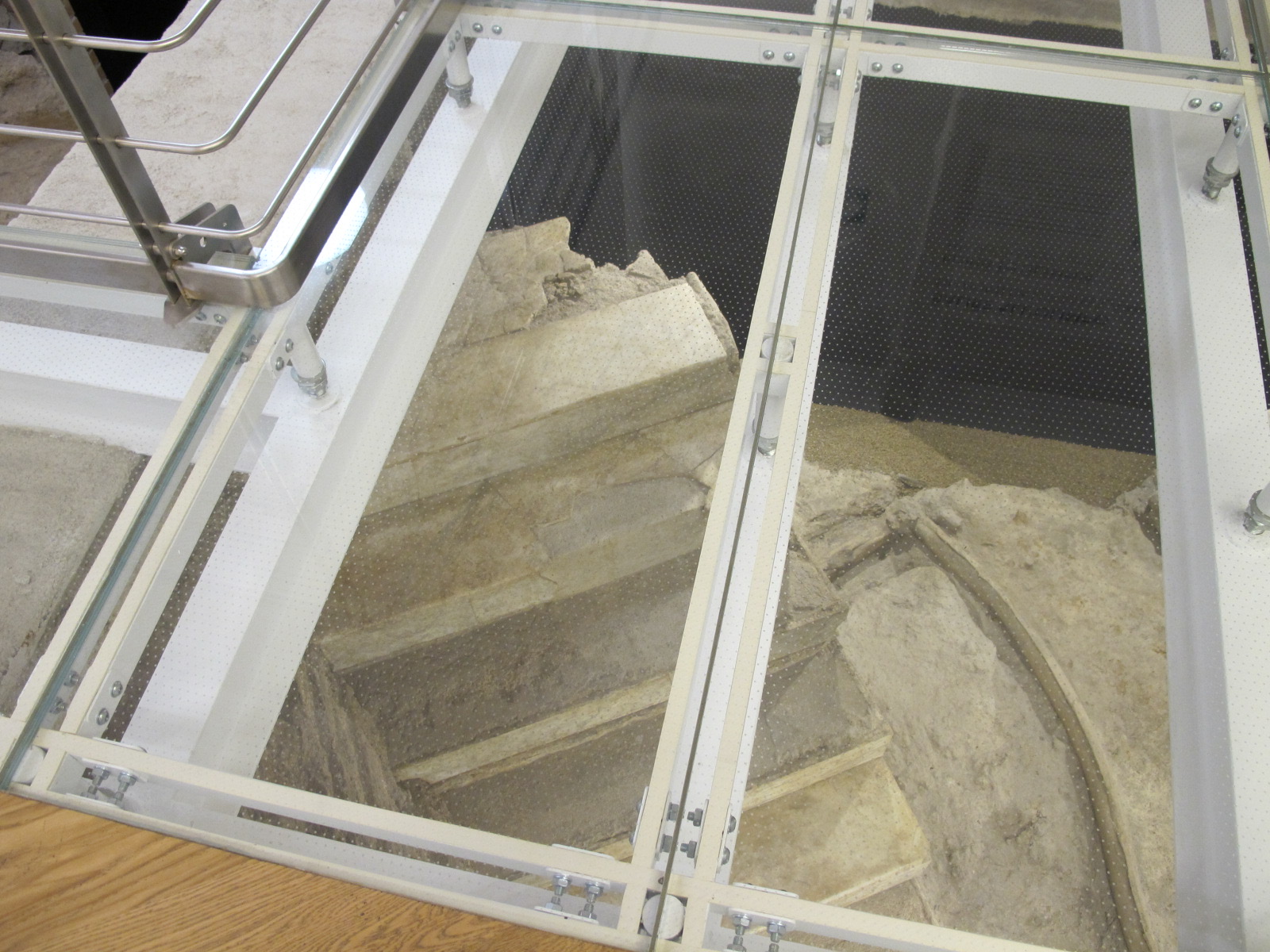
The museum displays various in-situ walls, water features, pavement, and, of course, those stairs, now under a glass panel.


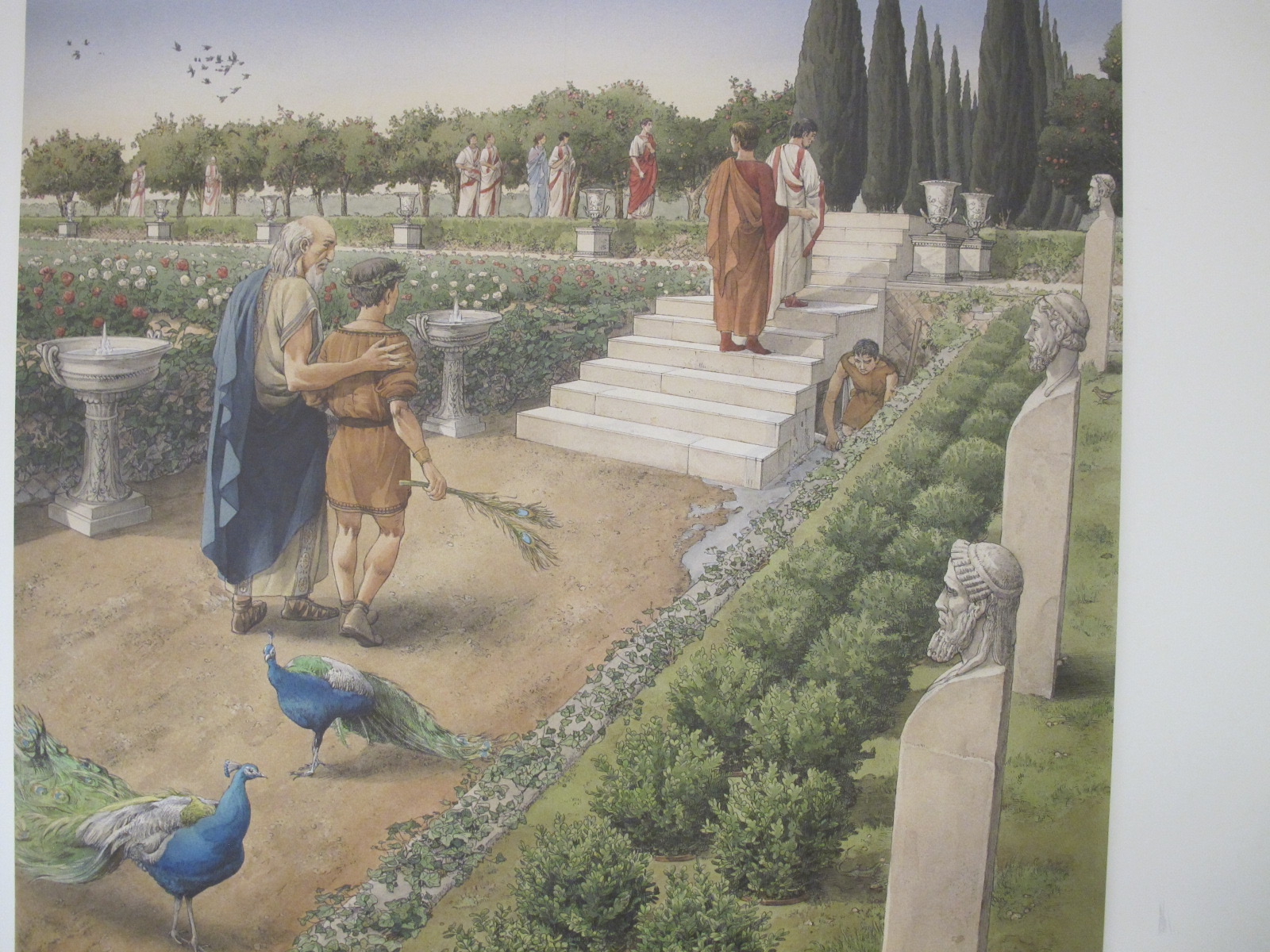
There are also dioramas depicting what the gardens may have looked like in antiquity. It must have been beautiful.


After enjoying the museum, I went to the piazza in front of the building. The piazza is, appropriately, a park. I sat in the sun, enjoying the trees, flowers, and hearing children playing in a modern garden — exactly where an ancient garden used to be. Like the museum, the park was a bit of a surprise. More on that in my next post.


 The Spanish Steps Apartment on Via della Mercede