
For Open House Rome’s 2023 event, we visited two sites. After visiting Palazzo Salviati, we headed to a church we had never visited before. Pulling up in the taxi, we passed the first, smaller facade of the church, and ended up at the second, larger facade.
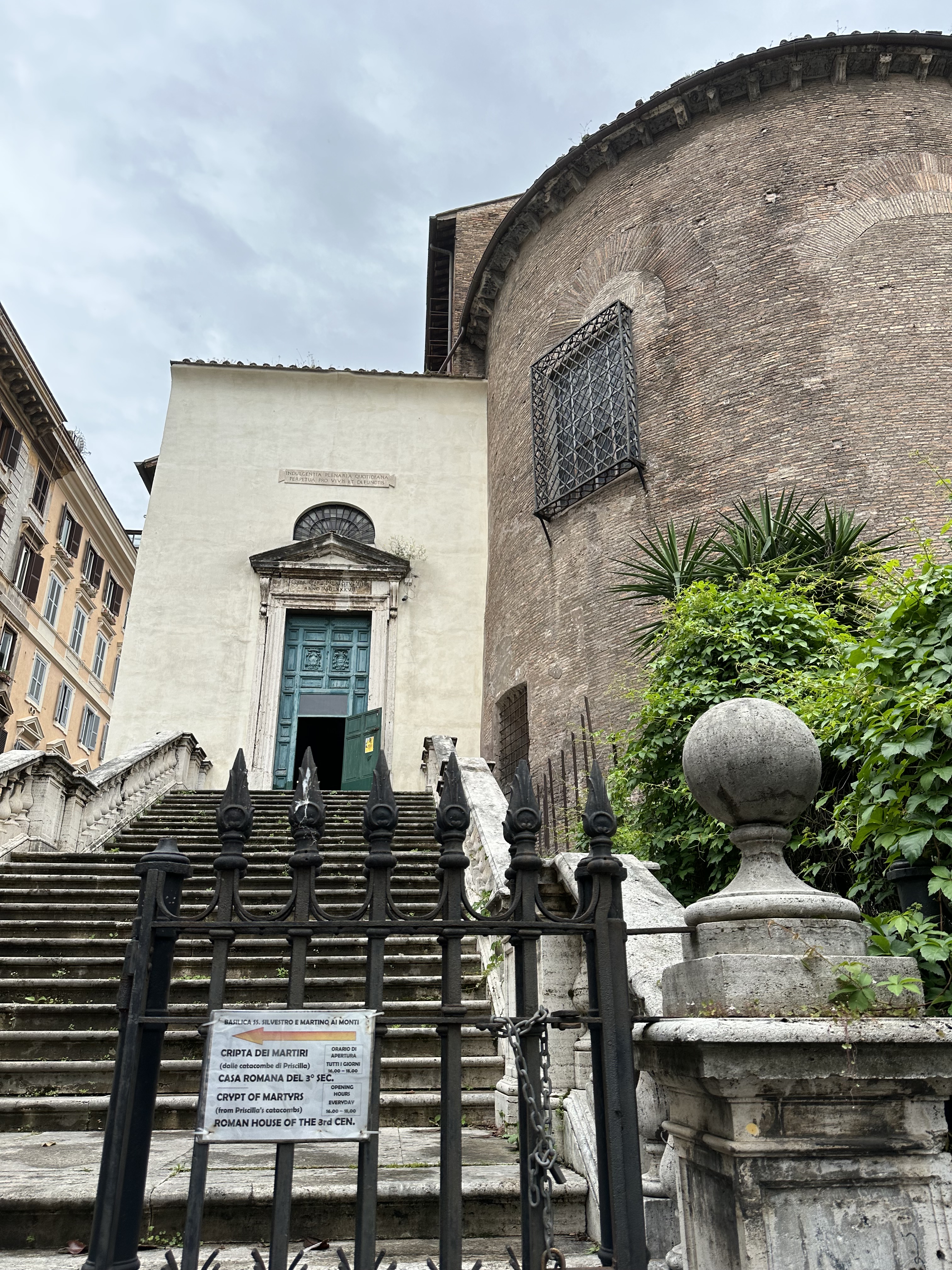

The Basilica di Santi Silvestro e Martino ai Monti dates from the 9th century. Like many Roman churches, it was built on top of churches that were yet more ancient. The basilica’s priest proudly discussed the history of the church, which he described as sitting upon many ancient layers — like lasagna, in his words. He pointed out how the church has changed over time, including how at some point in time the floor was lowered. This is why the columns today stand atop little platforms.


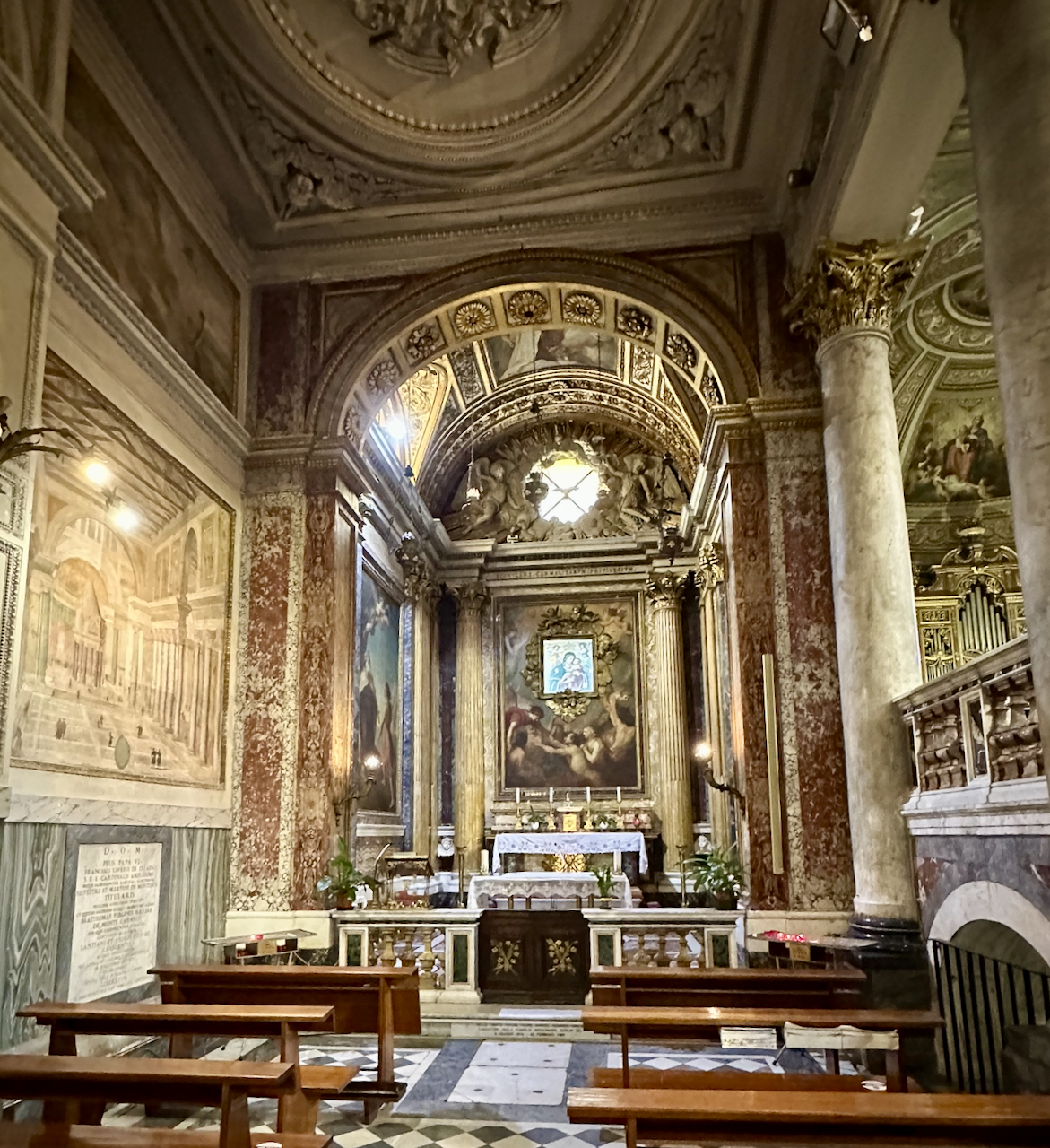

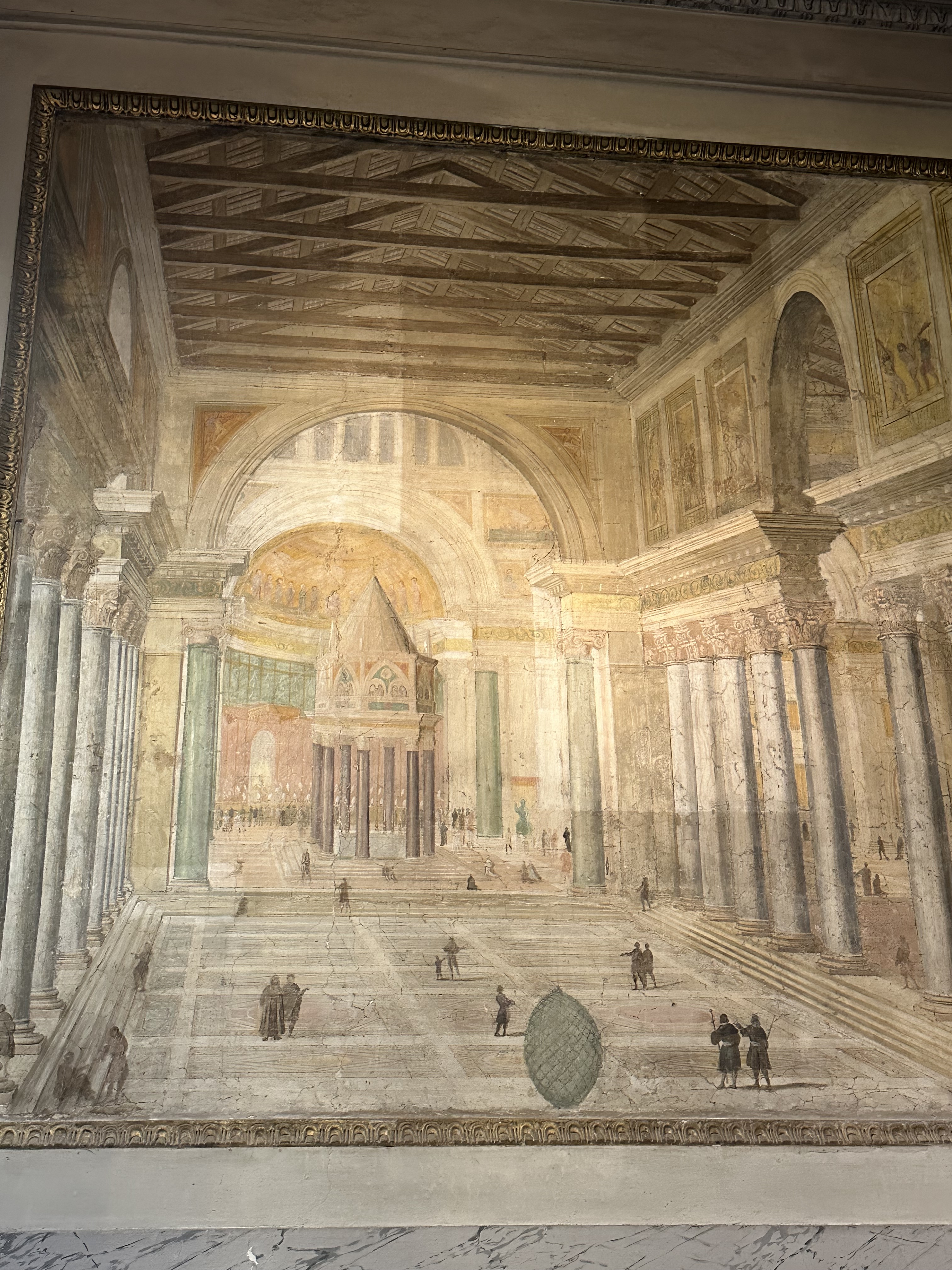
Of particular interest are the frescoes painted by Filippo Gagliardi which show the interiors of “Old” Saint Peter’s Basilica and Saint John Lateran (even though the artist was born too late to have actually seen the Old St. Peter’s Basilica).

Then, in one of the things we love about this kind of event, the priest lovingly spoke about what makes this church special to him. He explained that, to keep fidgety children entertained during mass, parents can have them search the golden frieze that runs around the entire church. It is filled with religious symbols, some related to stories of the Bible, others related to saints.
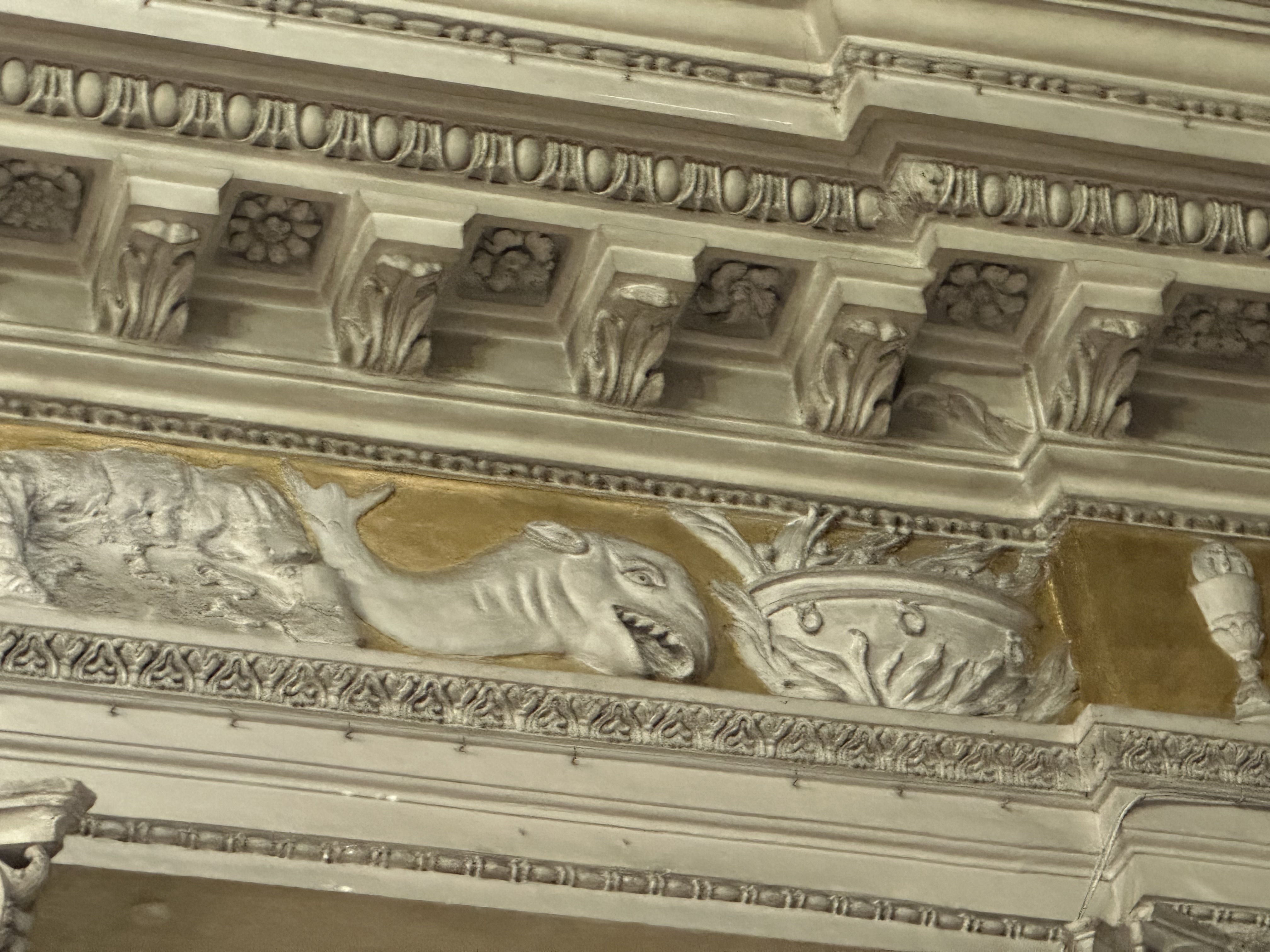
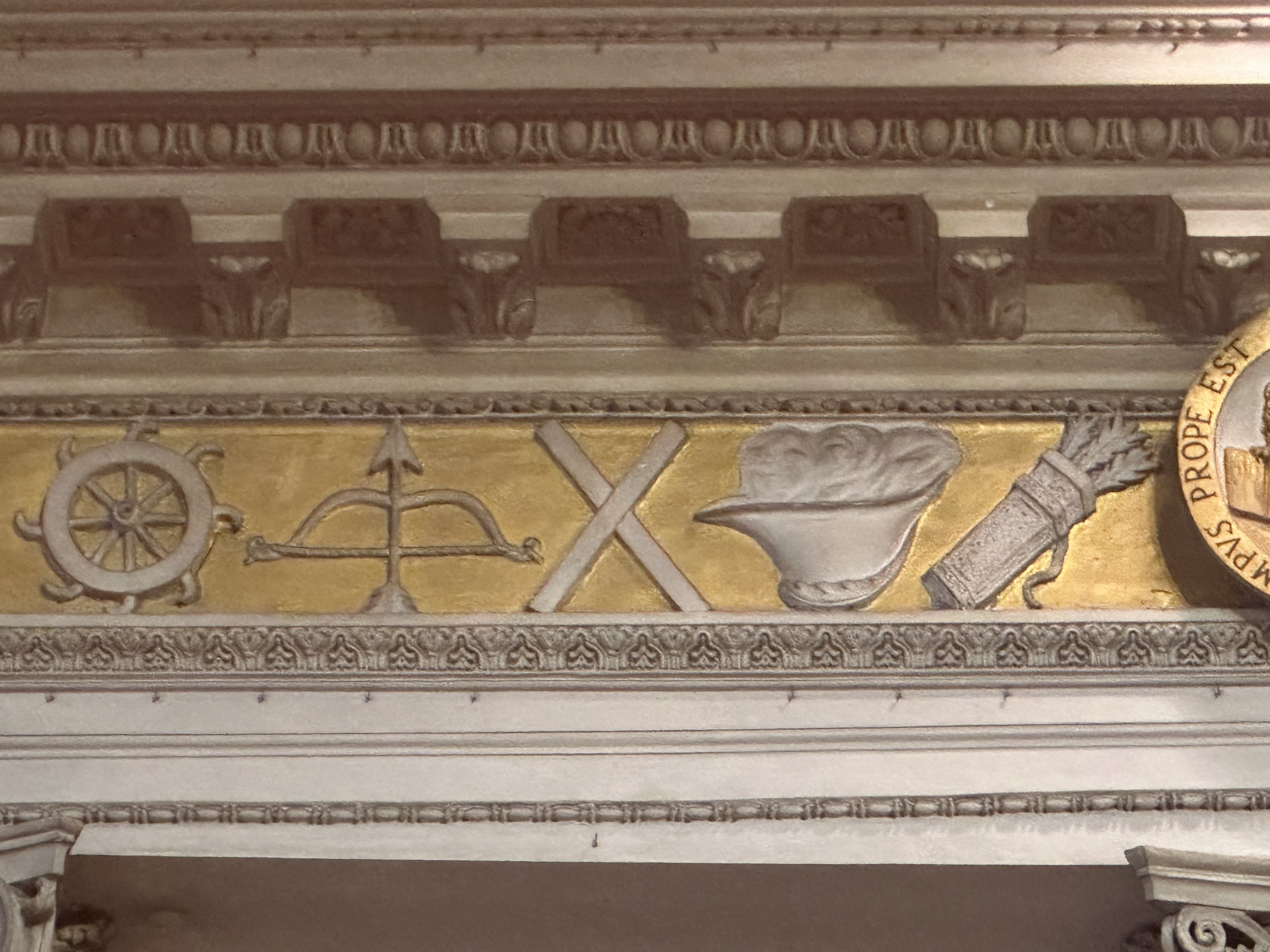
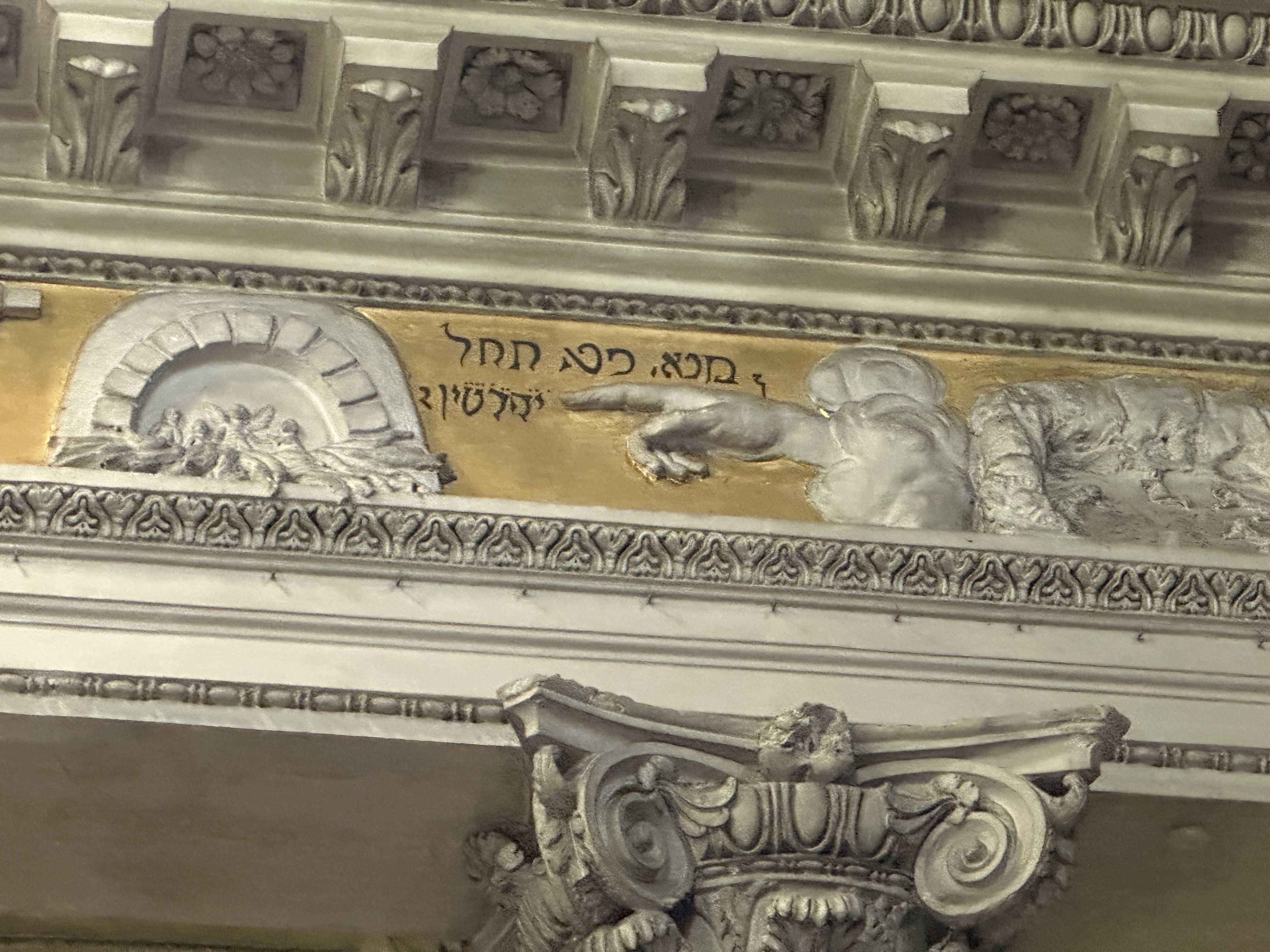
After this charming introduction to the church, our group ventured into the lower levels of the church with an archaeologist.


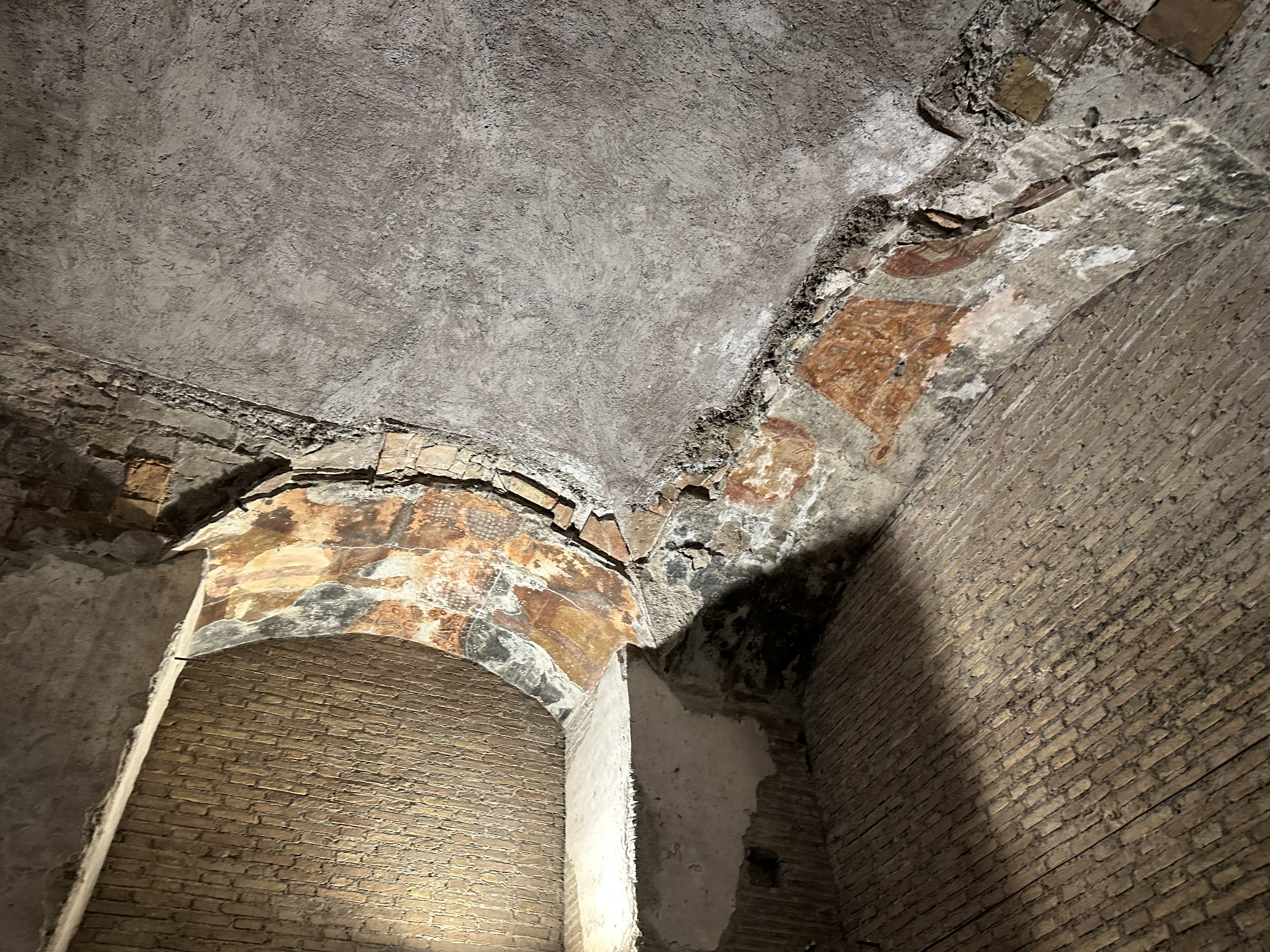

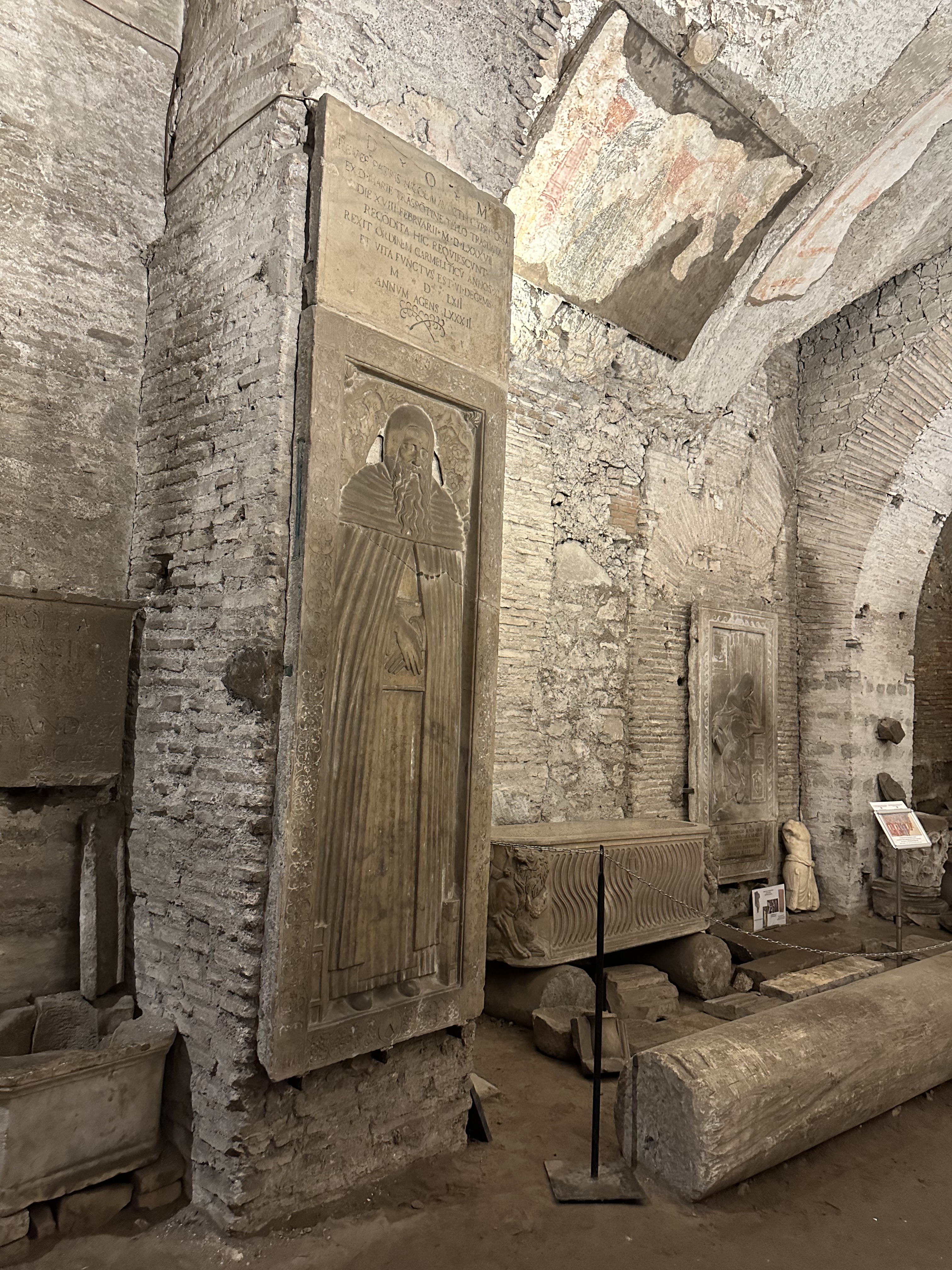


Descending even further, we visited the remains of an ancient Roman home. As the priest said, this is the “lasagna church!”
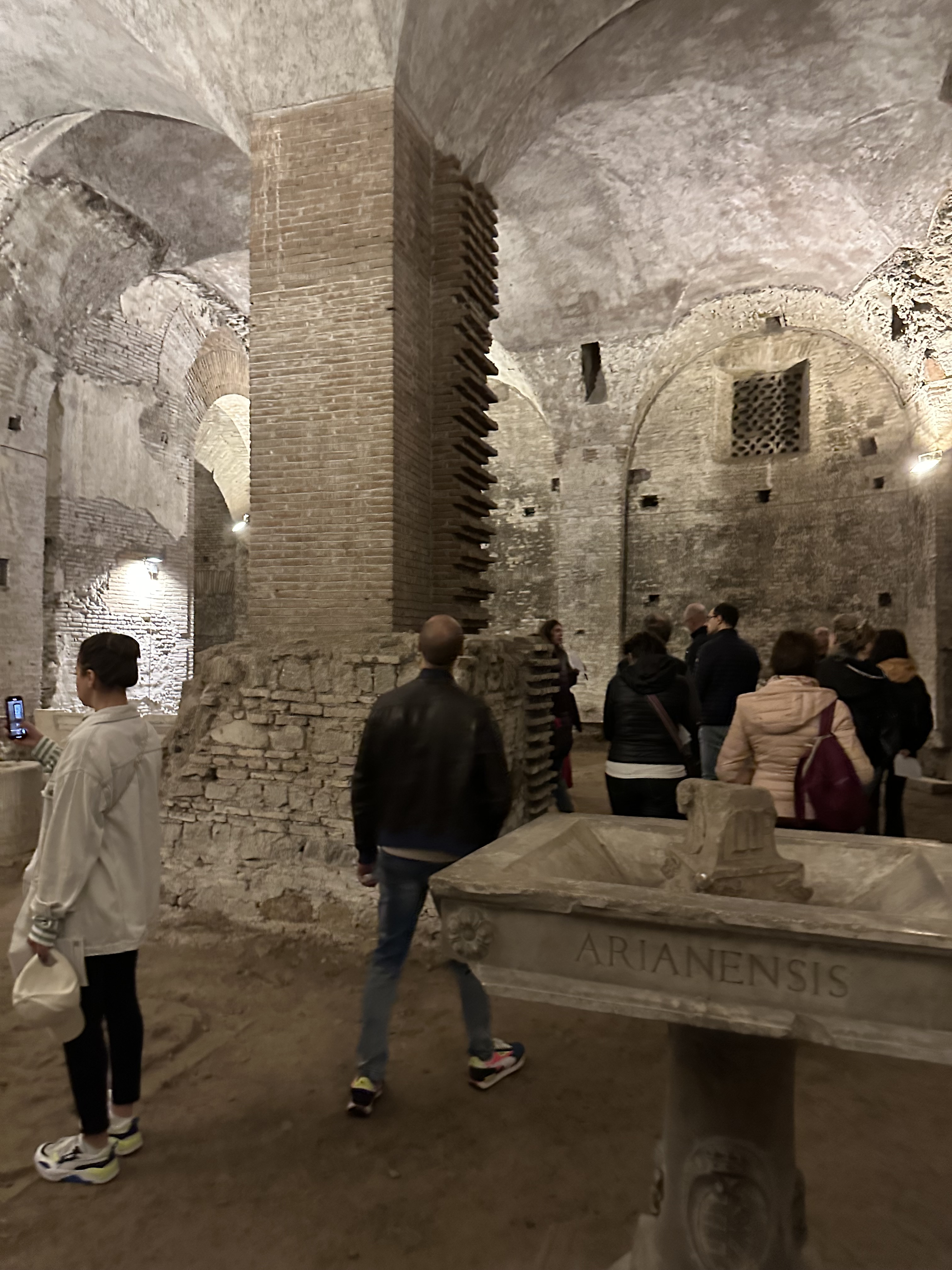

When we were leaving the crypt, I noticed this, which was one of several odd pieces that I had assumed were some kind of modern art:

It turns out it was a computer-generated depiction of what the bell of this church sounds like when it rings. An unexpected but very interesting way to end my visit to this venerable old church.

 The Spanish Steps Apartment on Via della Mercede