
I love paintings, prints, and maps of Rome, which is, after all, one of the most spectacular and photogenic cities in the world. Moreover, there’s a great romance to even the simplest things in Rome. The Mouth of Truth (Bocca della Verità), for example, may have been a mere drain hole cover, but today we consider it a fascinating wonder.

The same is true with respect to the ruins of a large brick structure found not far from Termini, Rome’s main train station, called the Temple of Minerva Medica. Today we believe the name is incorrect, that the structure was a nymphaeum, a monument to female nature spirits, and not a temple dedicated to a goddess such as Minerva. The nymphaeum was a feature of the Horti Liciniani, a large garden complex. When a statute of Athena with a snake (associated with medicine) was found nearby, the ruins were erroneously attributed to the goddess, albeit using the Roman name instead of the Greek name.

It’s not much to look at today, surrounded by a fence and a lot of weeds, with some overhead electricity wires strung around it, and a busy road just a few steps away.
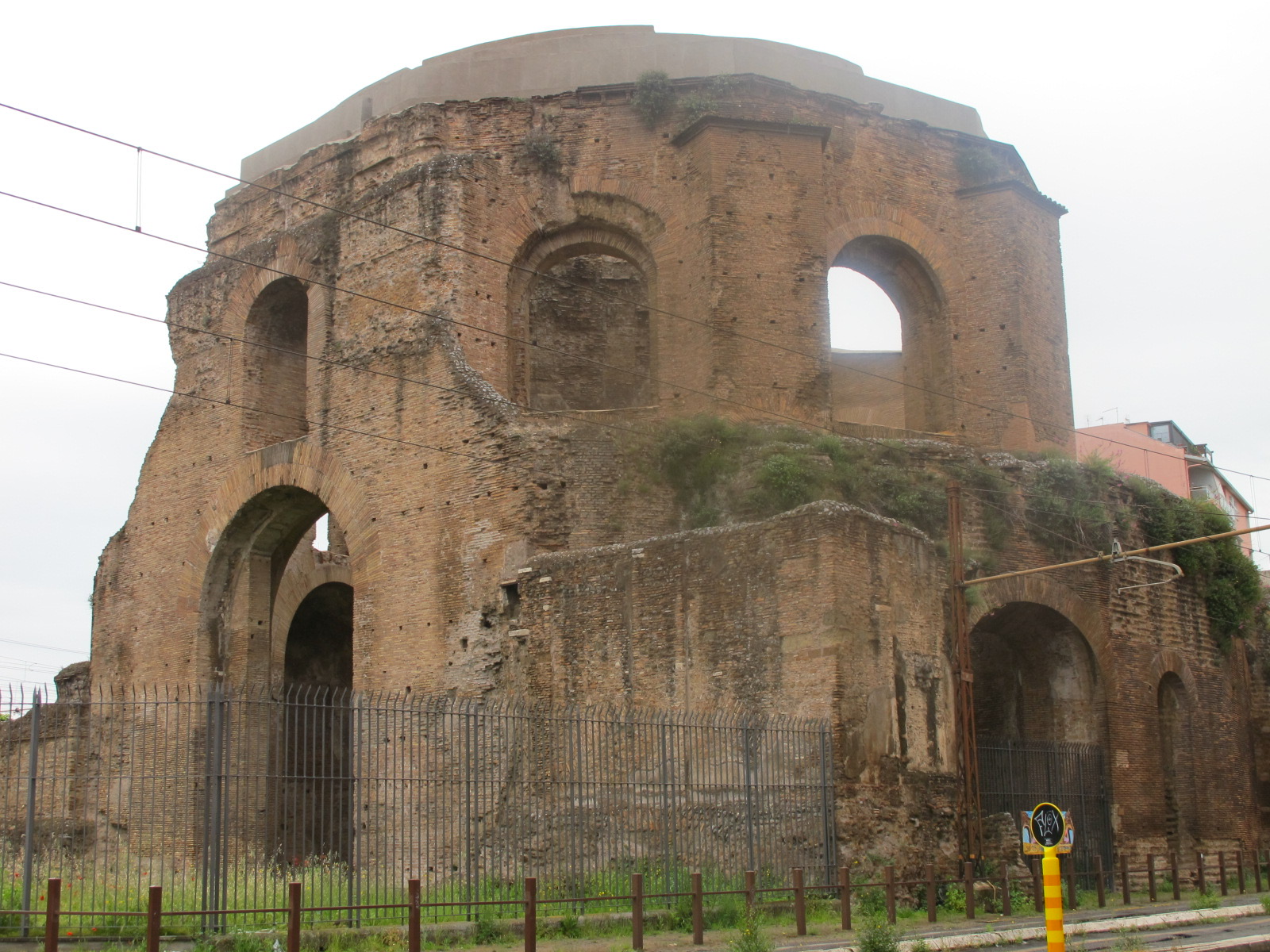

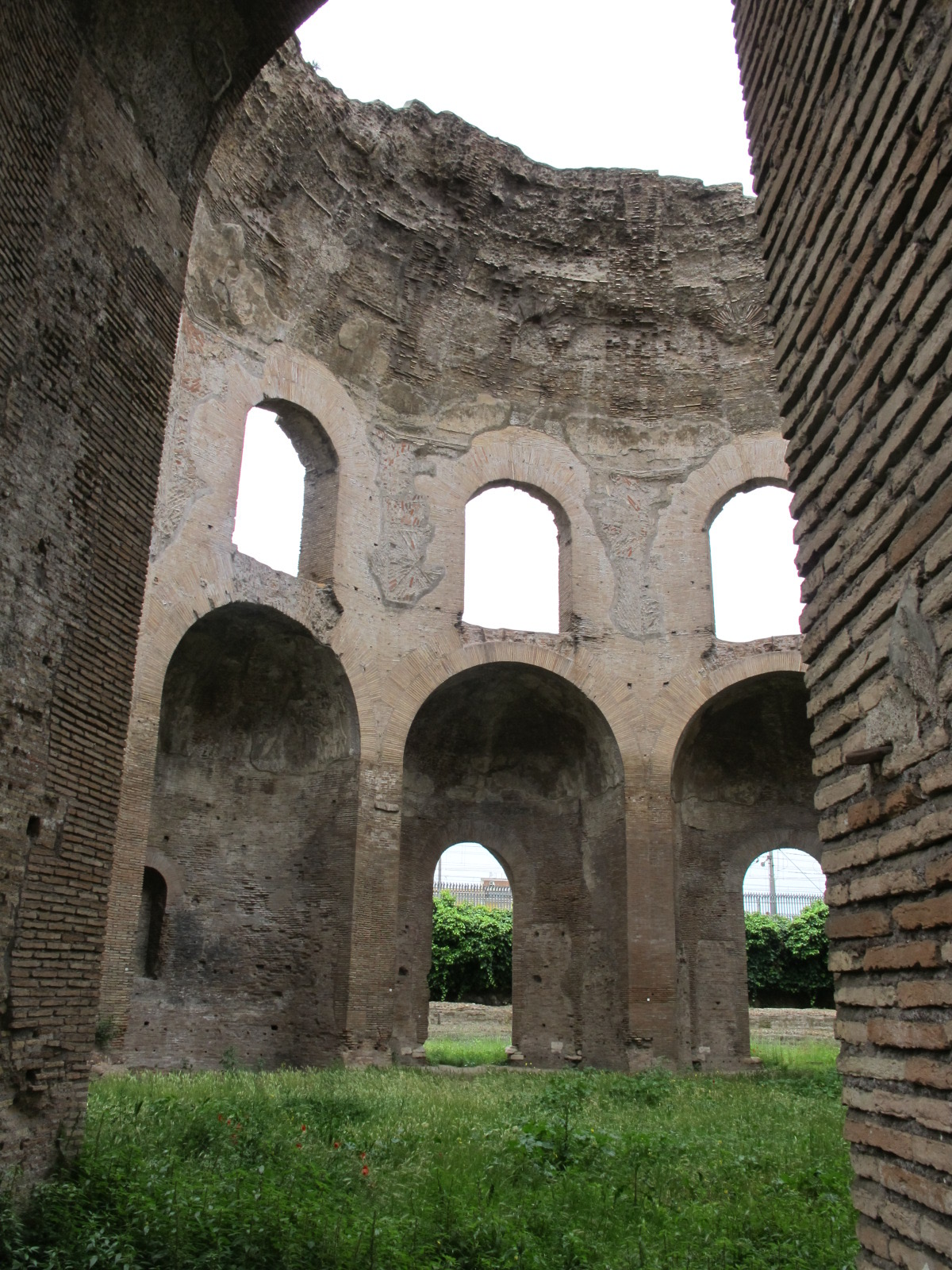
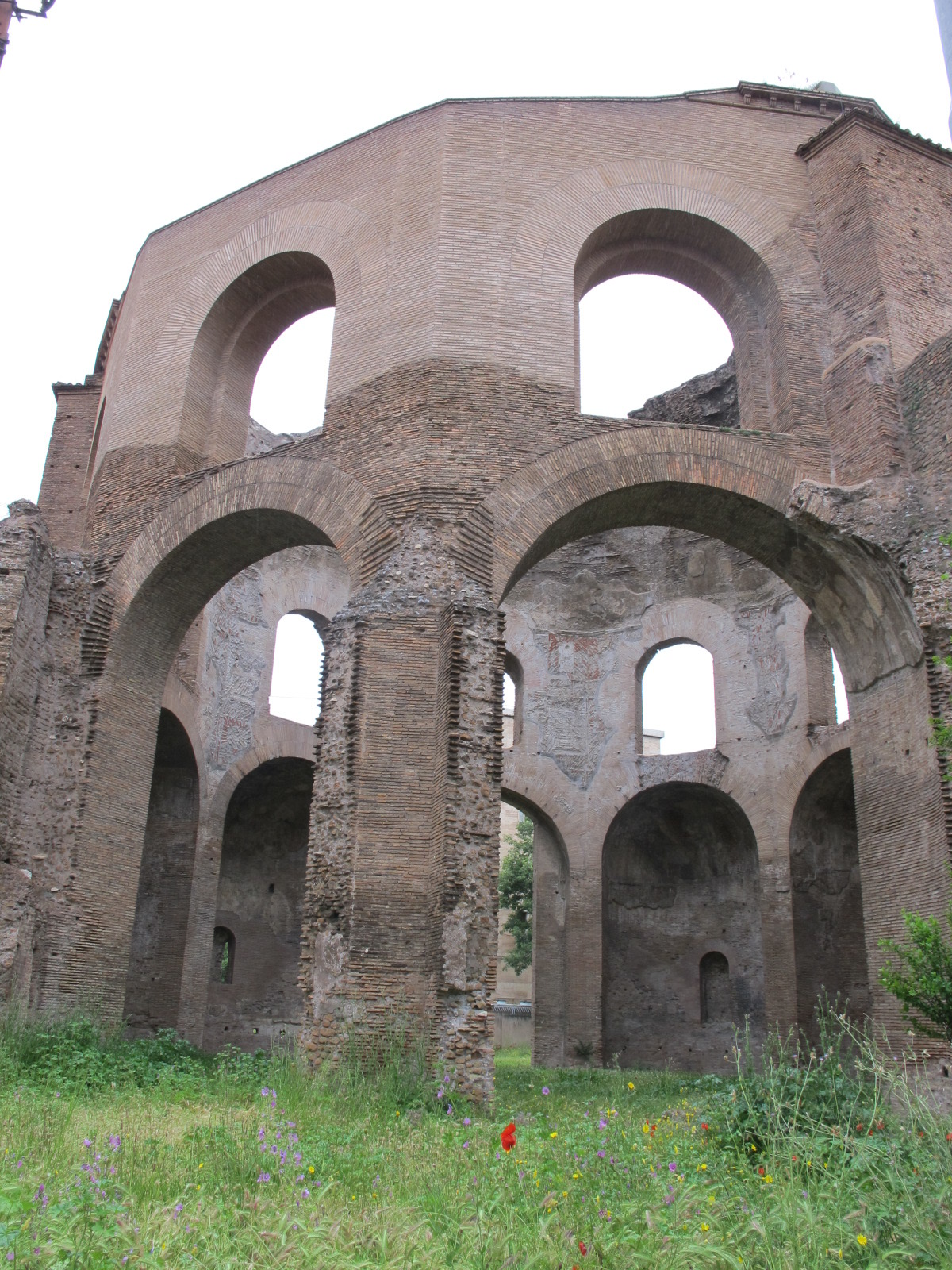
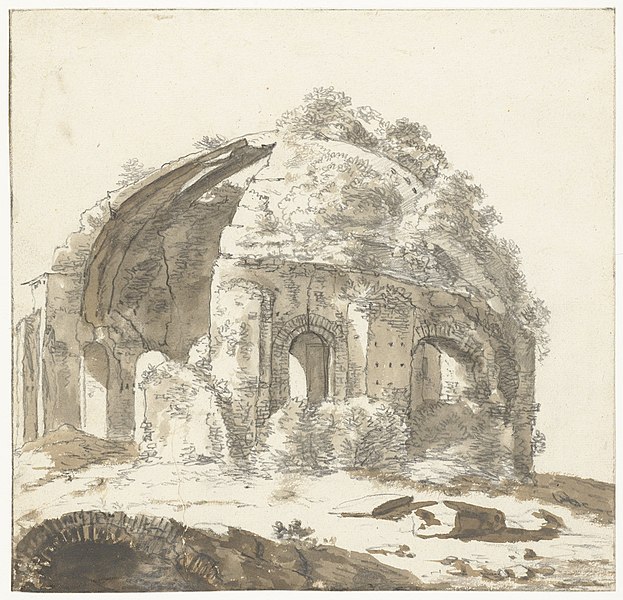
While you might drive or walk right past it today with scarcely a glance, this structure has been the subject of an amazing number of artists, who have depicted it as a magnificent, romantic ruin. I prefer these romantic depictions to its somewhat disappointing reality of today. The artistic depictions are not only beautiful but interesting as they show the nymphaeum over time — before its dome collapsed in 1828, and before the modern world was built up around it. To try and show those changes, I’ve posted some marvelous sketches, prints, and paintings in rough chronological order. The oldest, by Jacques Franckaert, circa 1585-1601, is at the top of this post.

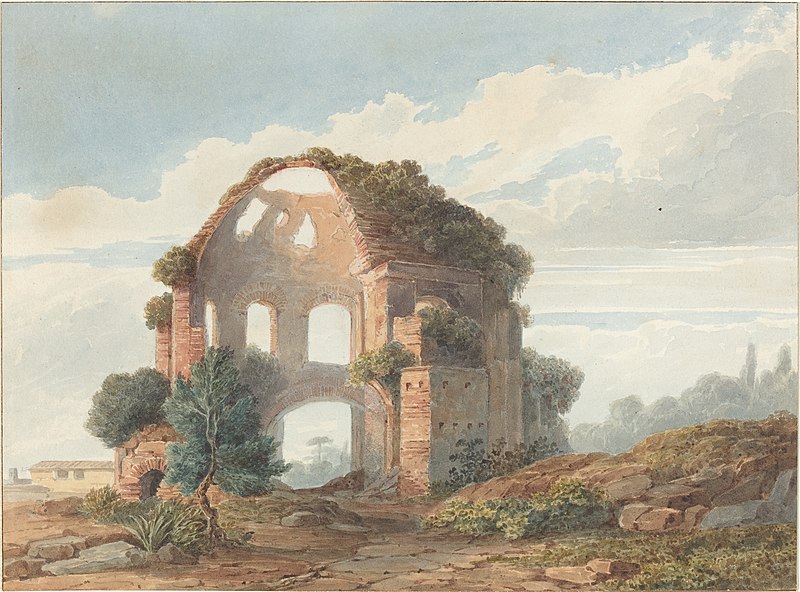


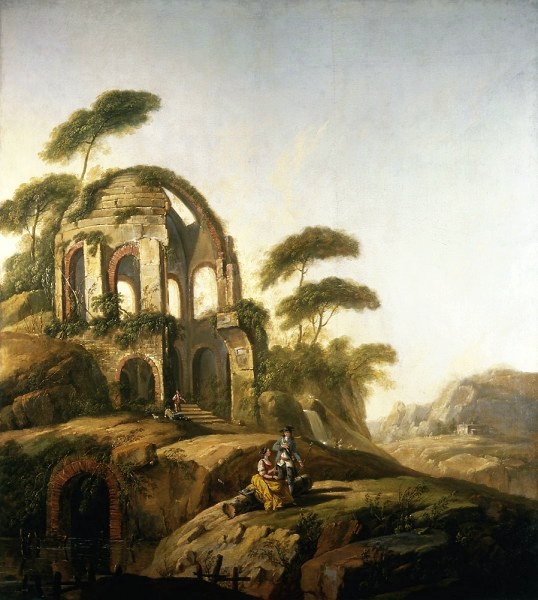


And, some early photos of the nymphaeum, after the dome had collapsed.


 The Spanish Steps Apartment on Via della Mercede