As we described in our prior post on seeing Bruce Springsteen at the Circus Maximus, the Circo Massimo today is essentially a grassy park situated beneath the Palatine Hill.

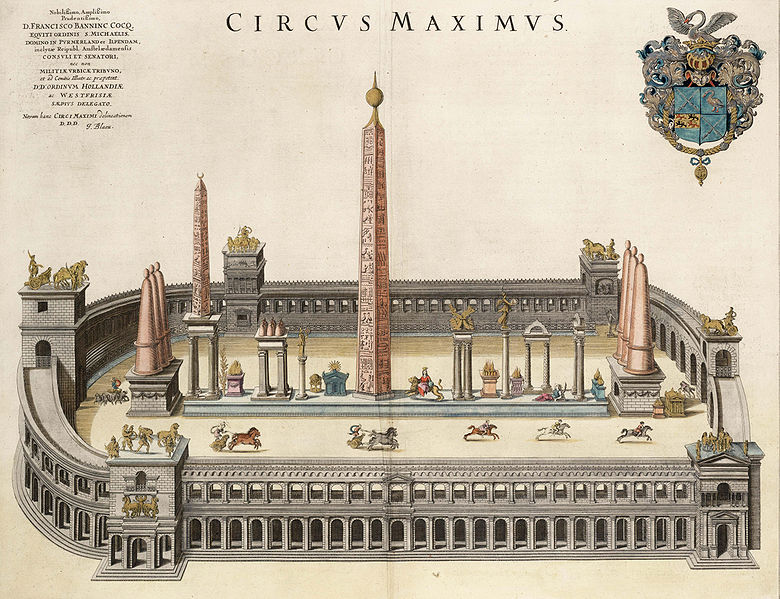
But, this was once ancient Rome’s largest race track, as well as a popular entertainment space. Back then, it could hold 150,000 spectators! But it was not just a grassy park, it was also an enormous structure, as you can see from the drawing at the top of this post. The arena was surrounded by permanent bleachers, and there were numerous little shrines and temples in and around the structure. In the center was the spina, the “spine,” around which the charioteers would race.

Almost all of the ancient structure is long gone. Over the centuries, the site’s stone was pillaged to be building material. The great obelisk that once stood at the center of the spine, having been installed by Emperor Augustus, was moved to Piazza del Popolo by one of the popes in the 16th century.
One end of the circus is all that is preserved. This area was totally inaccessible to visitors until very recently. Today you can explore the site, including the little medieval tower, through the Circo Maximo Experience, which includes virtual reality recreations of the Circus Maximus, showing you what it once looked like and how it changed over time.
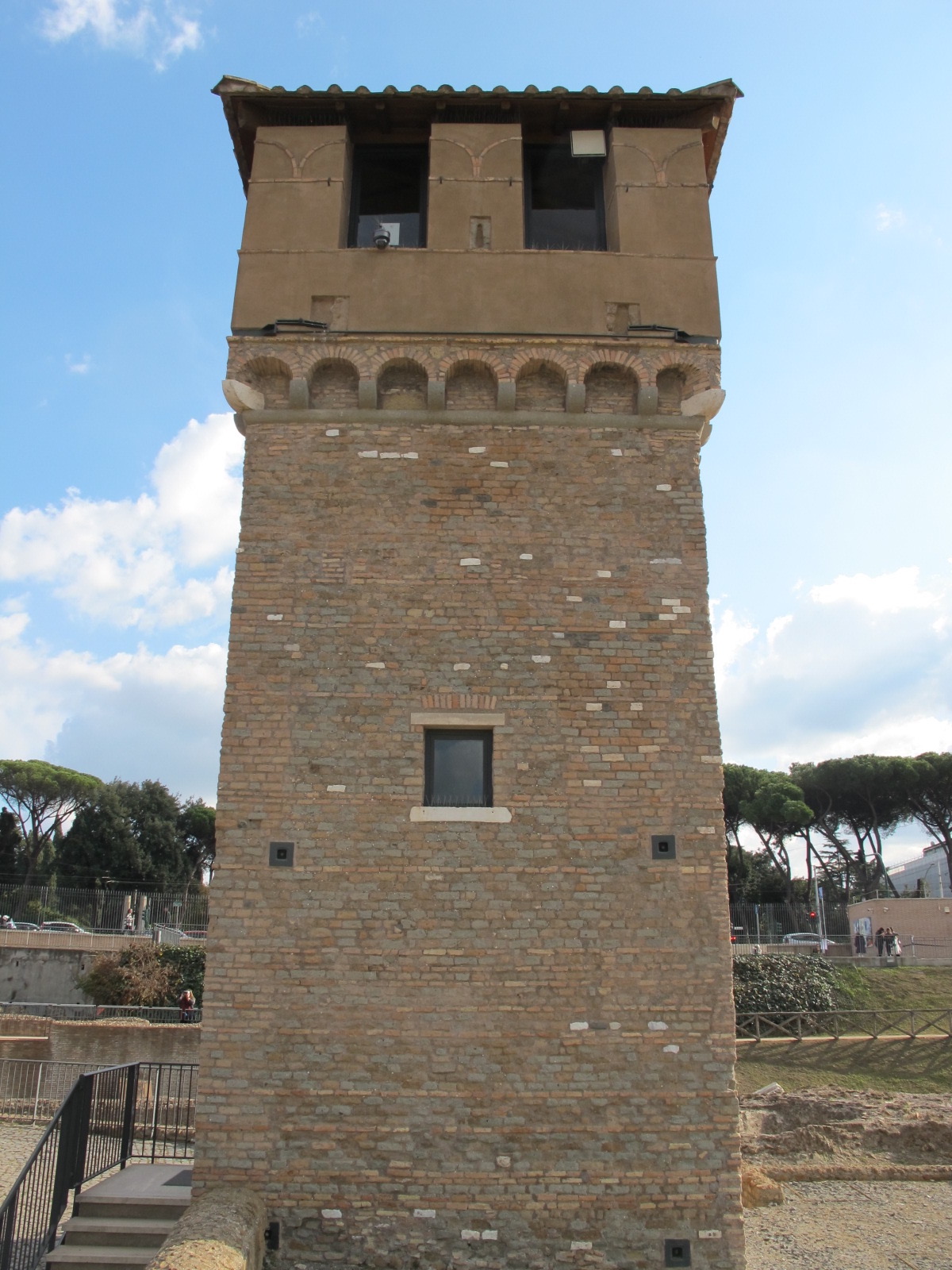
The first time we showed up without pre-booking tickets, and were promptly turned away as it was fully booked for the day. So a few months later we returned, having dutifully booked our tickets in advance. (You hand over your identification document in exchange for your group’s augmented reality headset.) It was wonderful to walk through and explore this archaeological site both actually and virtually.

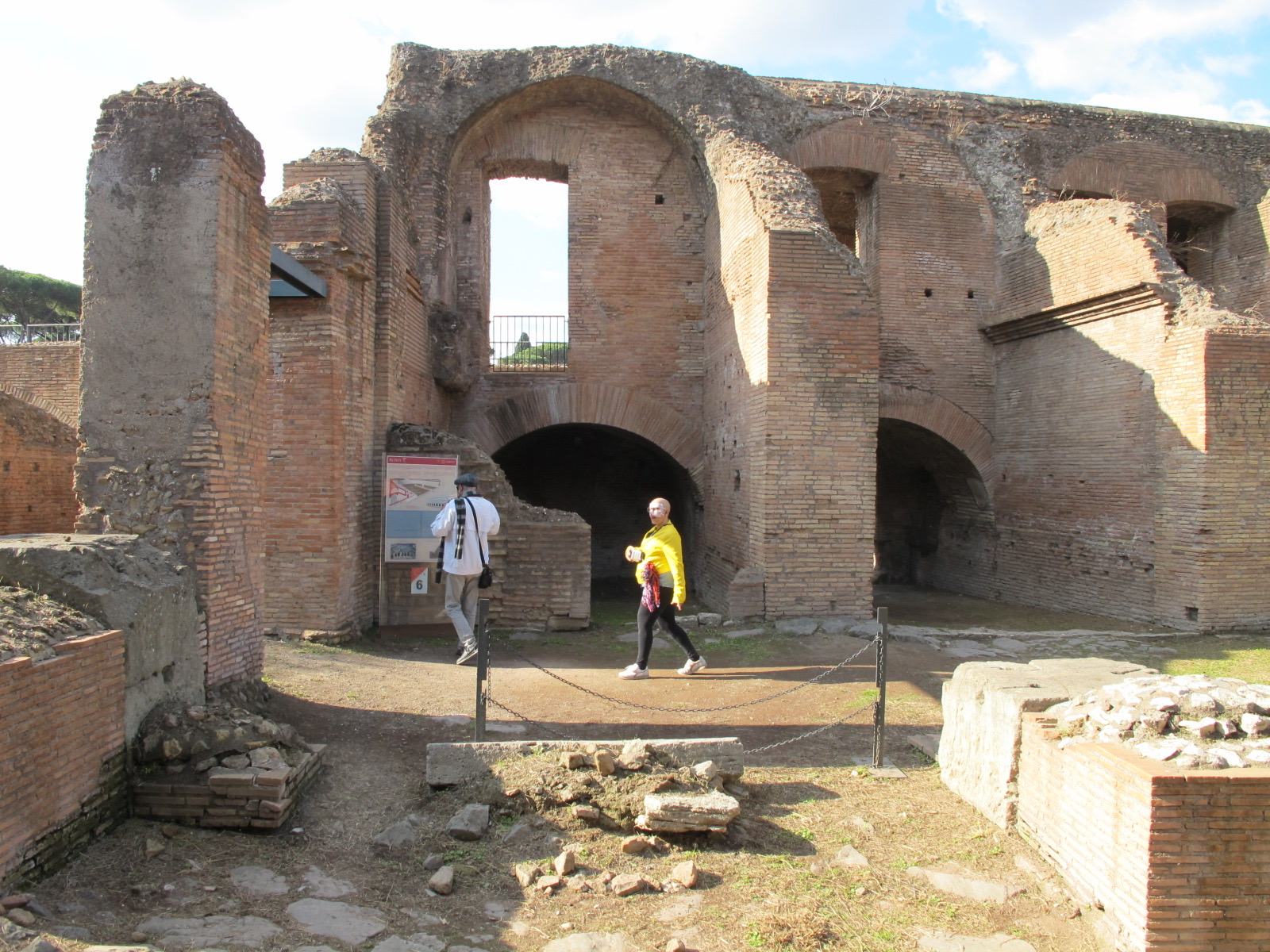


It’s a small site to visit, with a total of eight spots where you stop and don the alien-looking augmented reality headset (you are provided a facial mask of a material akin to a paper toilet seat cover that goes between your face and the headset’s interior lining). You stand at each spot and listen to the taped narration while looking around at the virtual reality scenes overlayed and inserted into your view of the real world. Information was available in English, and the virtual reality flashbacks were definitely interesting. It was well worth the 12 euros per person. There is also a greatly reduced family rate.
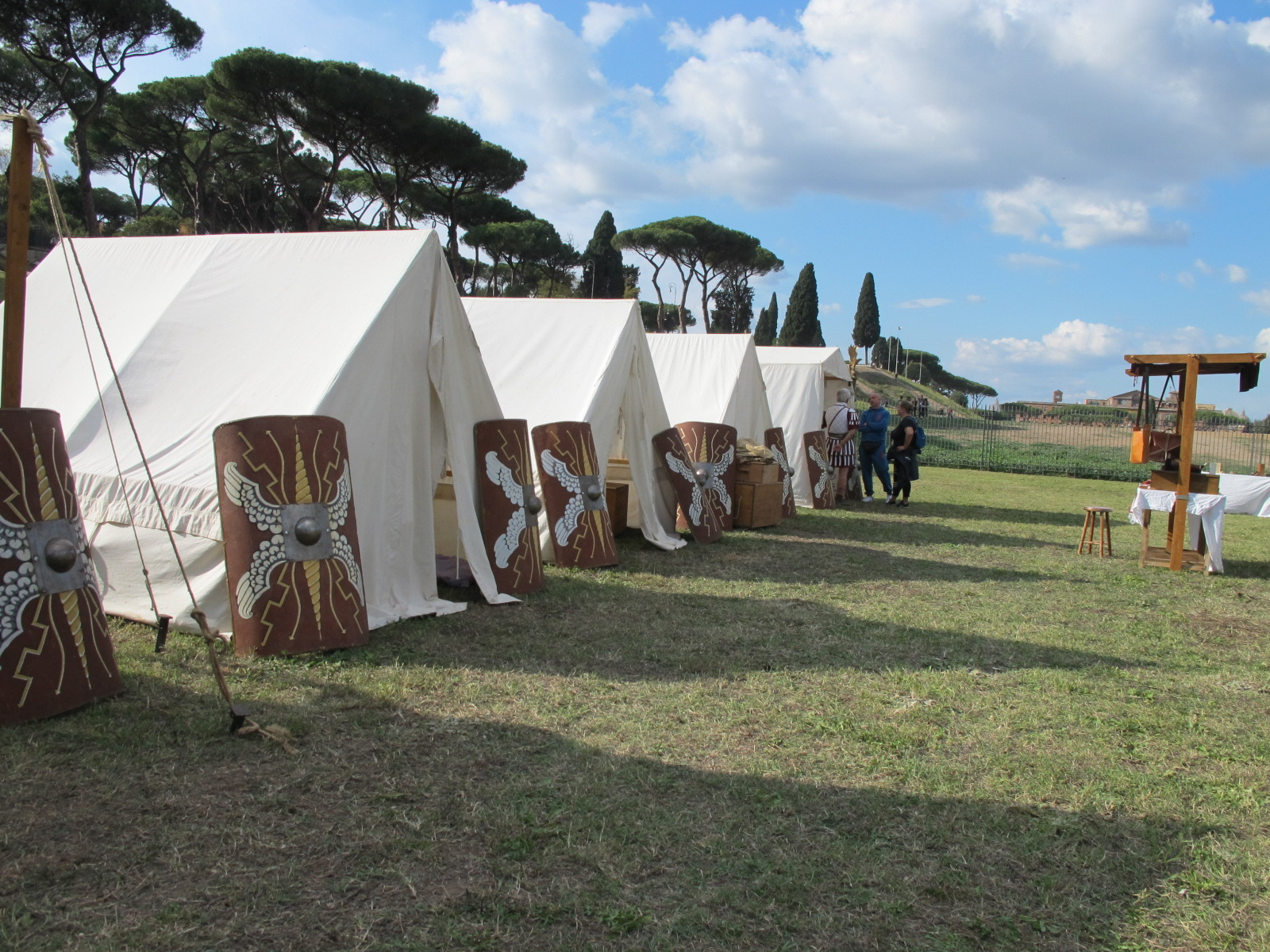
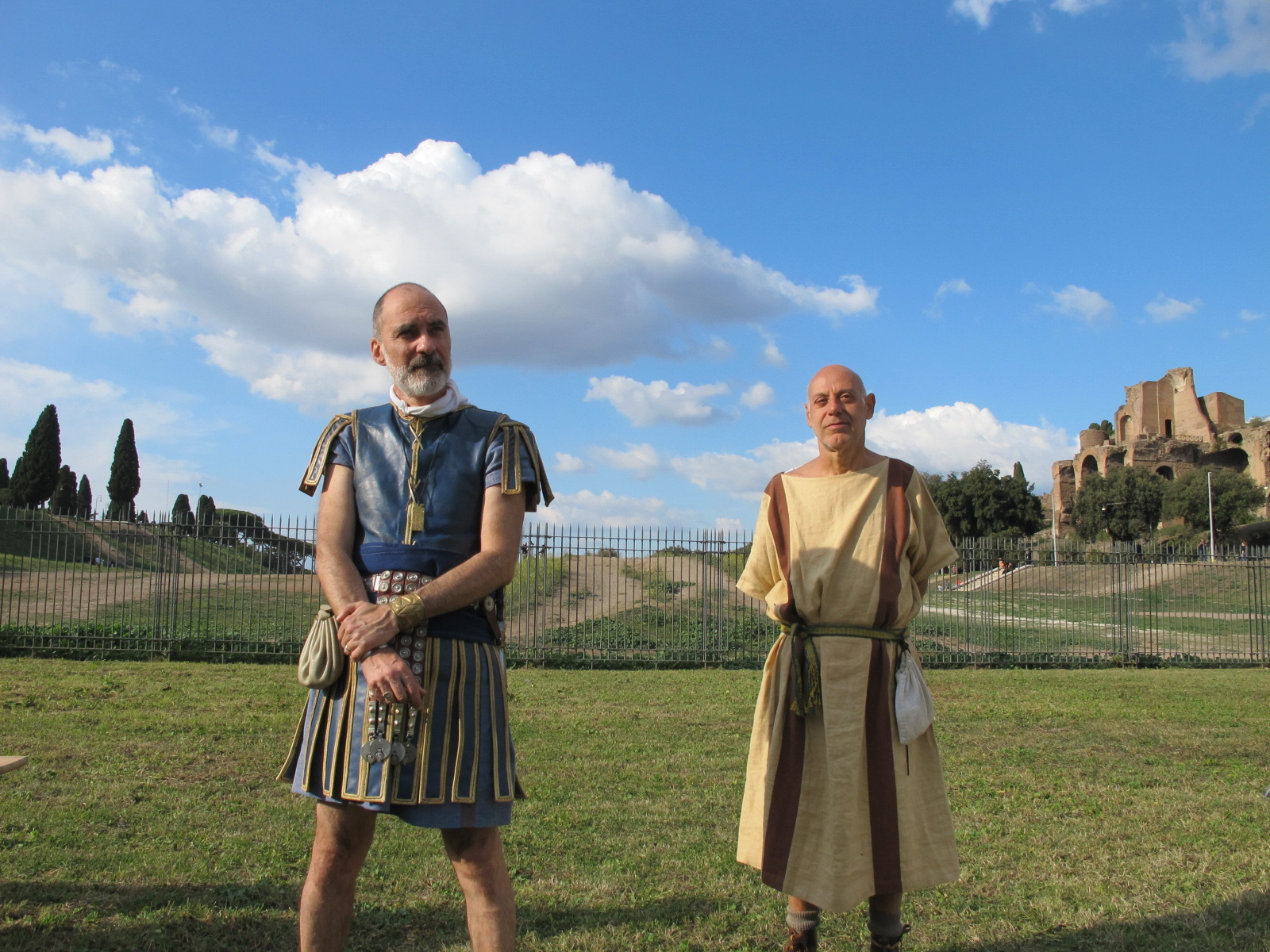
As an added bonus, the day we were there, a group of Ancient Roman re-enactors had set up tents and exhibits. Yet another virtual reality flashback to enjoy — this time, without the helmet visors.



 The Spanish Steps Apartment on Via della Mercede