
After several hours at the fabulous Centrale Montemartini, we walked across a bridge to Garbatella, to go check out the Fascist-era church of San Lorenzo fuori le Mura. We were headed to see a rather strange altarpiece that depicts the controversial WWII-era pope, Pope Pius XII.
The bridge we crossed is not just any bridge — it’s the Ponte Settimia Spizzichino, nicknamed the “Cobra,” an amazing white steel bridge, one of Rome’s many modern sights. Designed by Francesco del Tosto, and opened in 2012, when you look at it head on, the bridge flares out, like a cobra opening its hood.

As you walk across it, the bridge undulates, contracts, and flares. It’s mesmerizing, and reminded us of a DNA double helix.

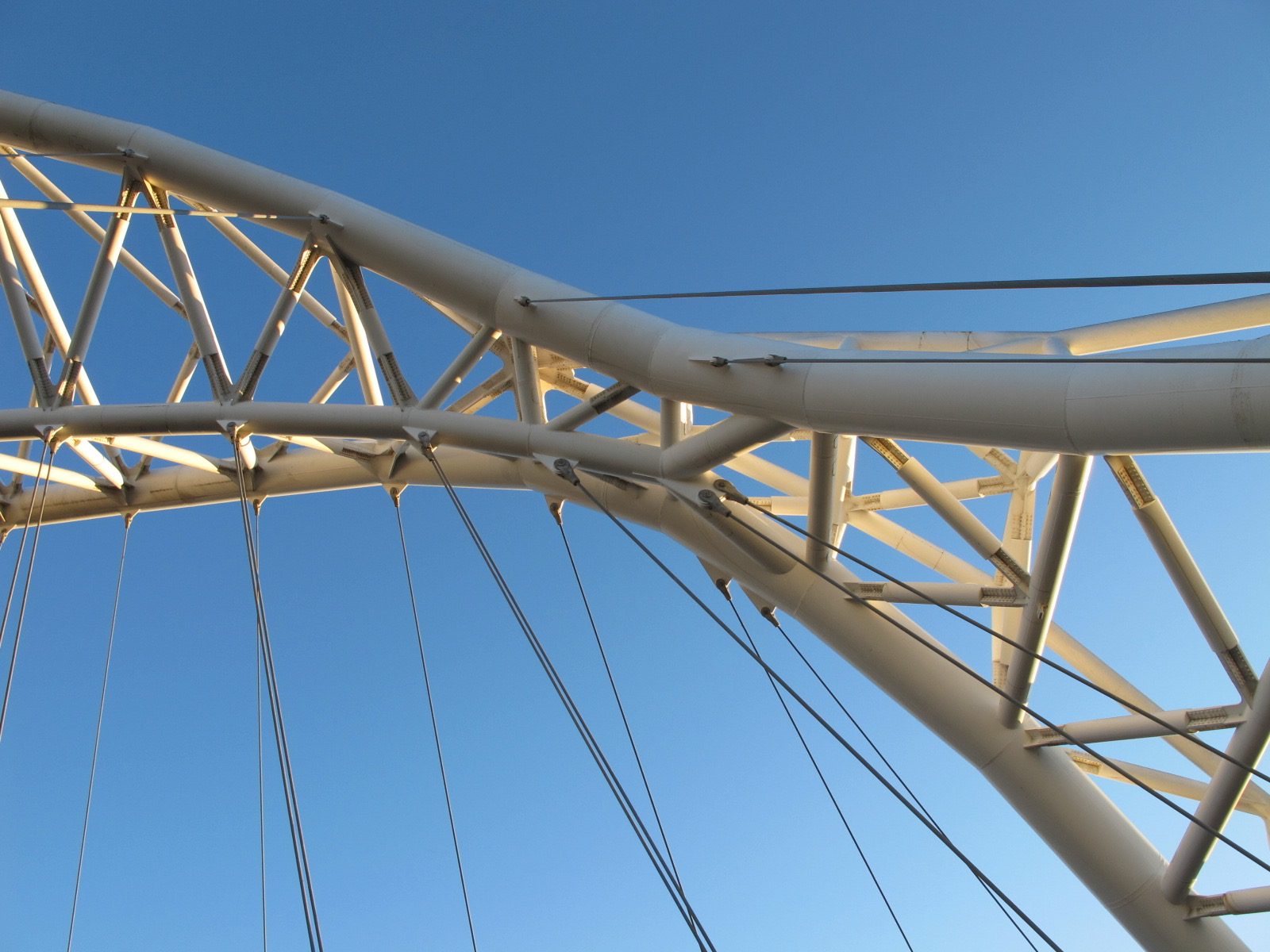
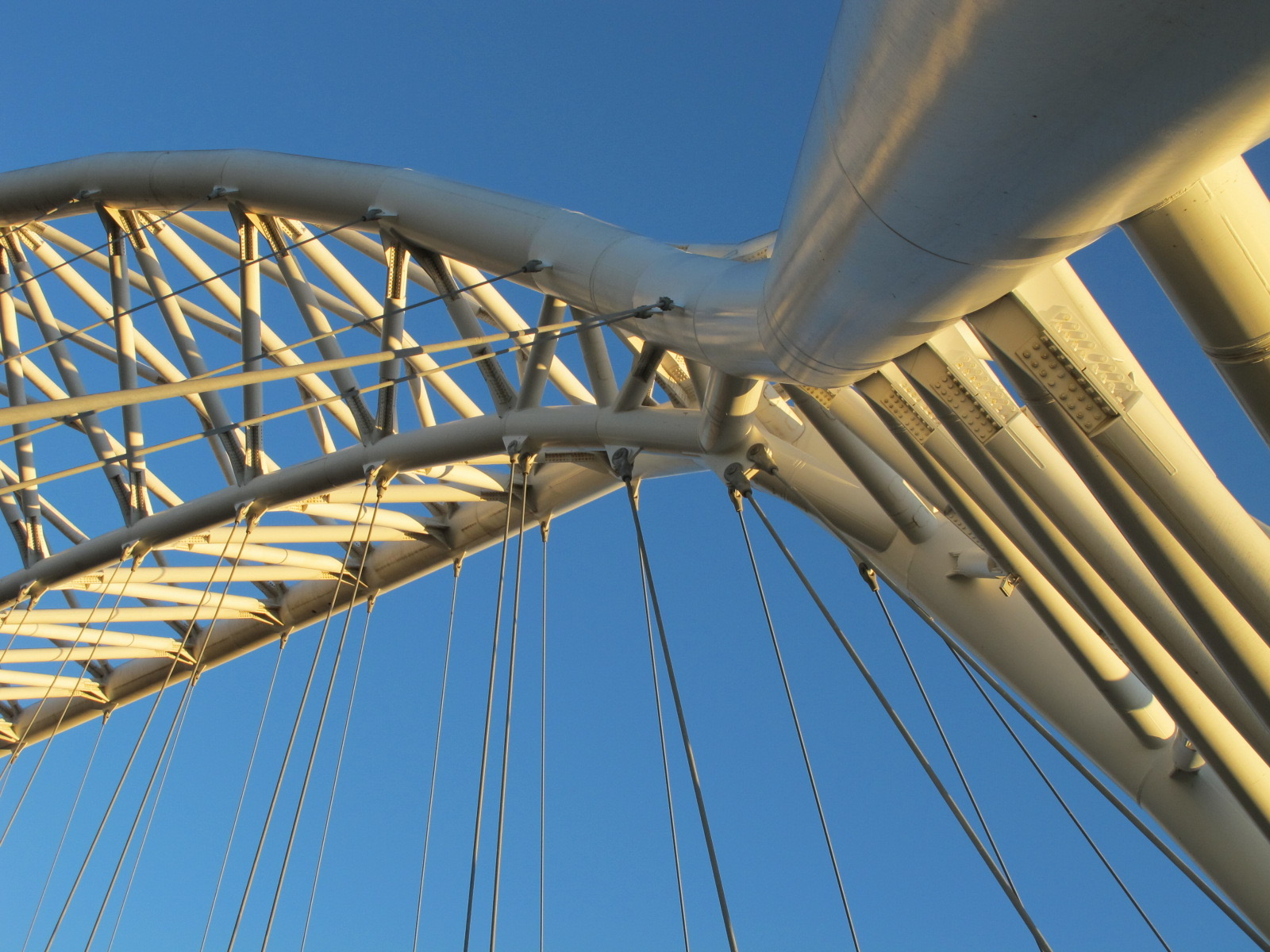


As we have written so many times in this blog, in Rome the past is always present. It certainly was at the Fascist-era church that we walked over to see, but it’s also true of this ultramodern bridge. That is because the bridge is named after a Roman woman, Settimia Spizzichino, who was among the 1,023 Roman Jews deported to Auschwitz by the Nazis after the raid on the Jewish Ghetto on October 16, 1943.
Her story is heartbreaking. Upon arrival at the concentration camp, her mother and several sisters were immediately sent to the gas chamber. She and one sister were selected for hard labor, and her sister eventually died. At the end of her captivity, she hid in a pile of corpses to survive. Then on her 24th birthday, the camp was liberated. She was the sole Roman woman from the raid to survive — along with 15 men. She returned to Rome where she lived out the rest of her life. Spizzichino died in Garbatella in 2000, but her name lives on.

 The Spanish Steps Apartment on Via della Mercede