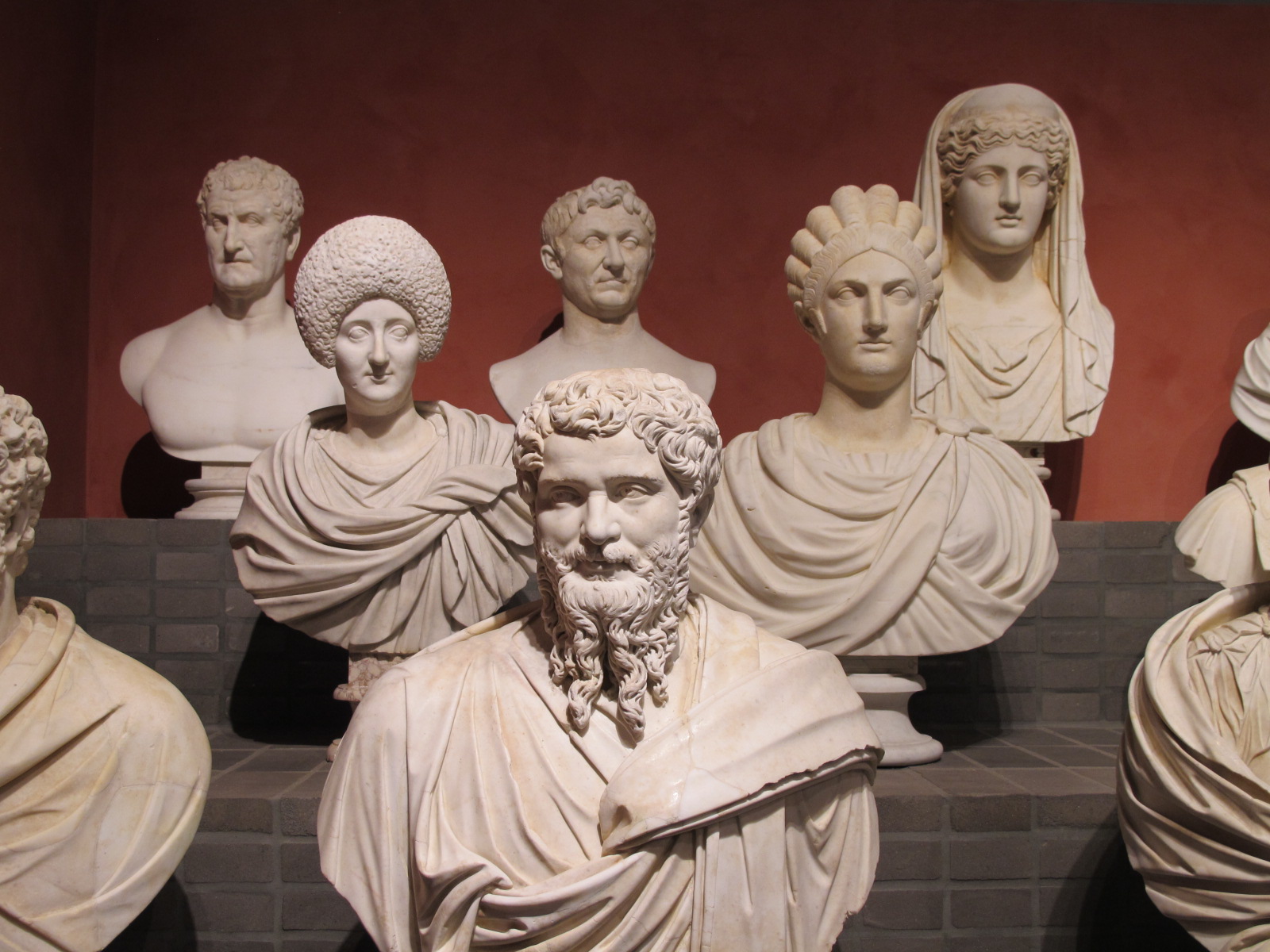
Well, due to COVID, I missed the big Raphael exhibit. But the Torlonia Marbles: Collecting Masterpieces exhibit was extended, so that’s where I went on Day 1 of my return to Rome after my COVID lock-out. It was worth the wait.
The exhibit consists of 92 sculptures from the collection of the Torlonia family — one of the greatest art collections in the world still in private hands, usually kept locked away and hidden from public view
Some logistics: We went to the ticket office of the Capitoline Museums, where our temperature was checked and our CDC (vaccination) cards were examined along with our passports. We were able to buy same-day, instant admission tickets for just the Torlonia Marbles exhibit. This was perfect for us since we knew we’d probably get hit with some jet lag and wouldn’t have enough energy to also enjoy the Capitoline Museums.

After getting our tickets, we walked back toward the Cordonata (the monumental staircase that leads to the Capitoline), veered left under an arch, and walked up the outer incline of the Capitoline Hill overlooking Via del Teatro di Marcello. Along the way, we passed a large door, which leads to the small cafe on the roof — it is open to the public, no tickets required. At the end of the path we found the entrance to a courtyard, where there is a small wheelchair ramp leading to the Torlonia Marbles exhibit.
We encountered only three other people inside the exhibit space, so it was very easy to remain socially distanced. The exhibit runs until January 9, 2022.
Where to start. First, you walk into a room packed with marble busts of ancient Romans, including those at the top of this post. If you’re like me, many of these faces are instantly recognizable as old friends, like Vespasian (my favorite emperor).
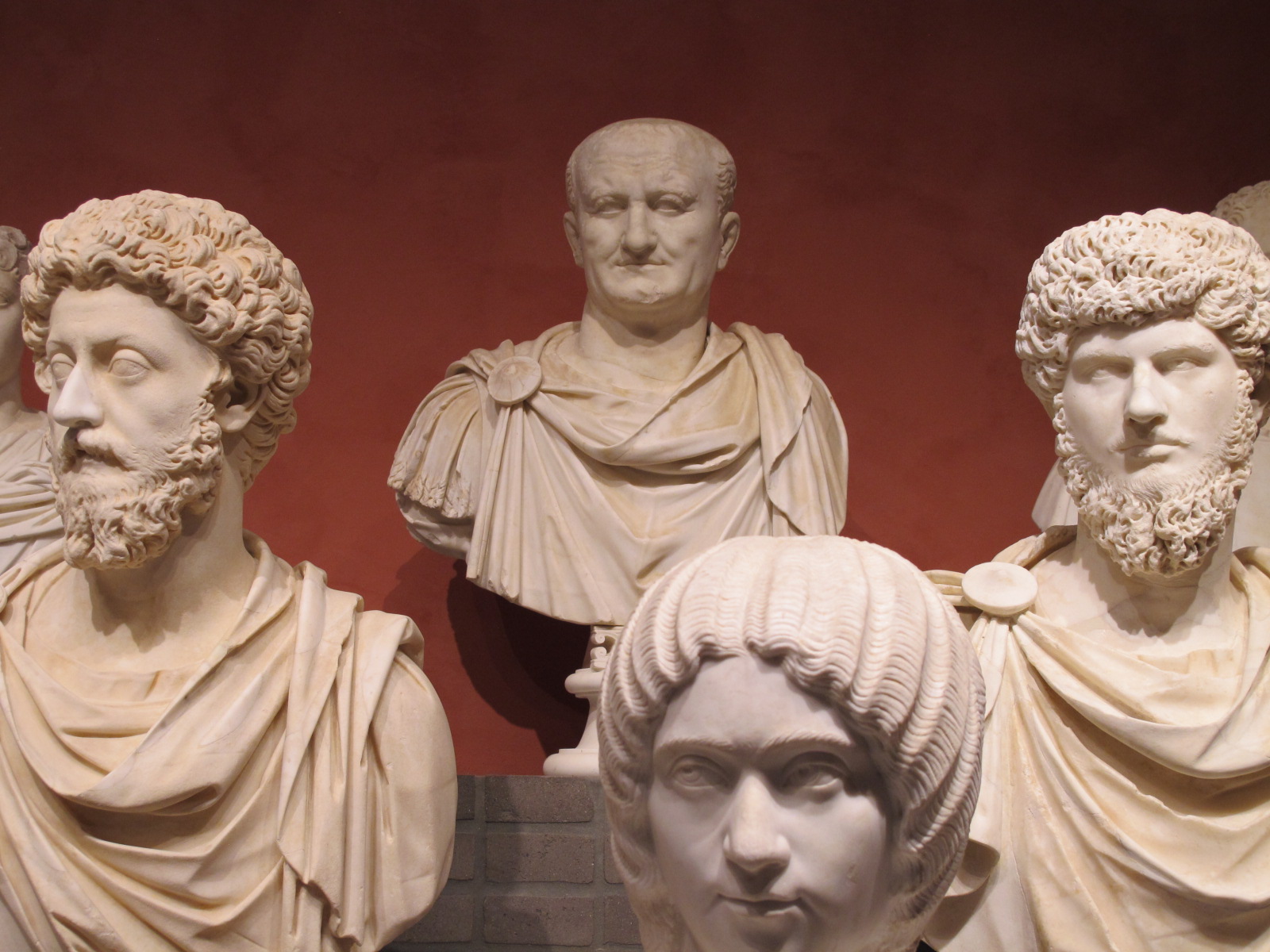
Some faces, however, were completely new to me, like this lovely young woman.

Room after room is chock full of art you may have seen in various art books.

One piece I’ve seen many times in books is the bas-relief of the View of the Portus Augusti, or Augustan Port.
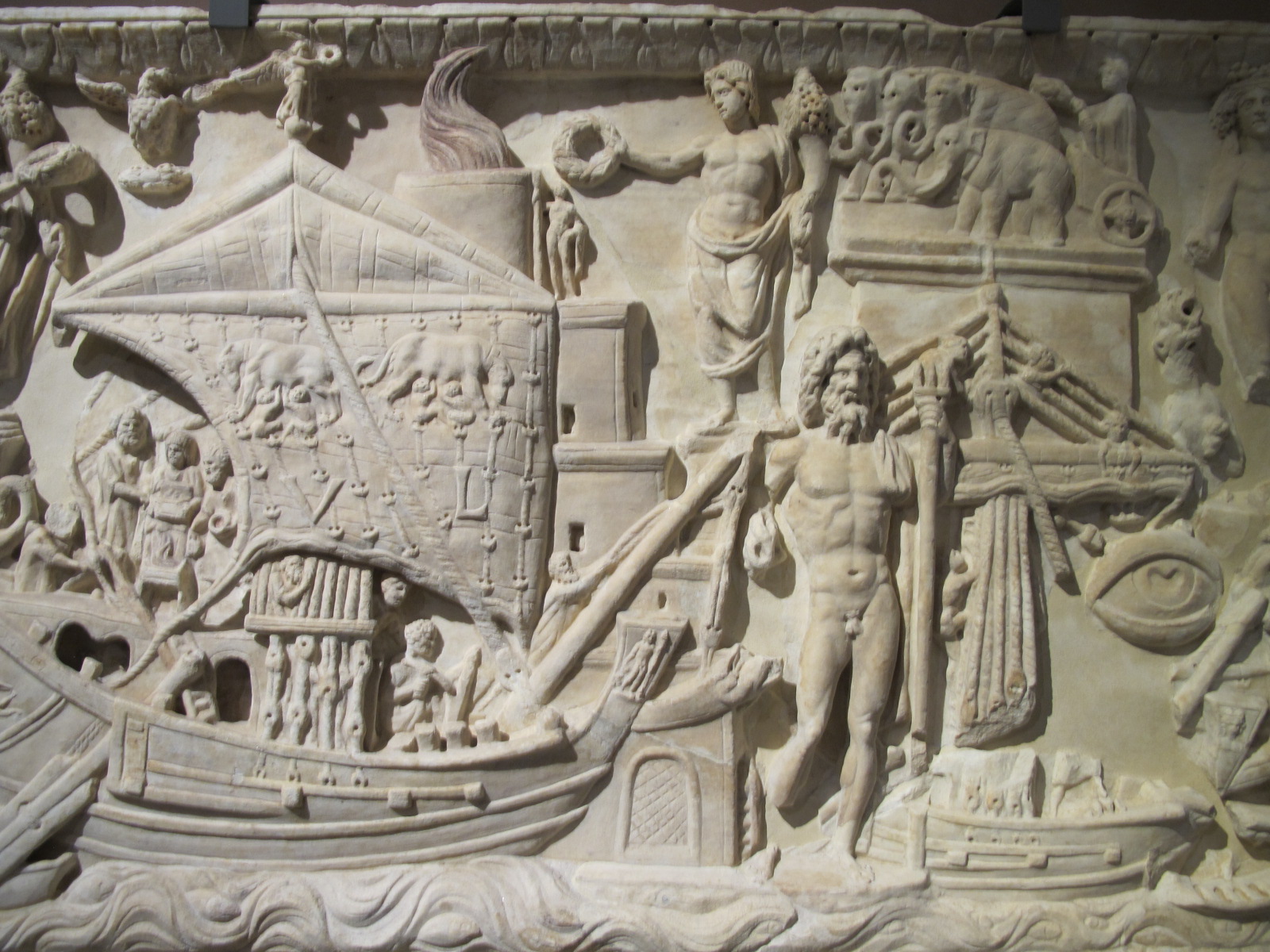
It is an amazing scene, indicative of the importance of sea trade in Ancient Rome. You can spot a ship with decorated sails depicting the she-wolf of Rome, a lighthouse with a large flame to guide ships into port, a weird disembodied floating eye to guard sailors (which today you sometimes see painted on boats in the Mediterranean), a chariot drawn by elephants…. and more.
Now, these marbles belong to a time when it was normal to restore any broken or missing pieces — a practice definitely criticized today. In some cases, different pieces from completely different statues were used to create a new “complete” sculpture. So, you encounter these works knowing they may have been significantly altered during the restoration process. Interestingly, the great Bernini was one who did such restorations.


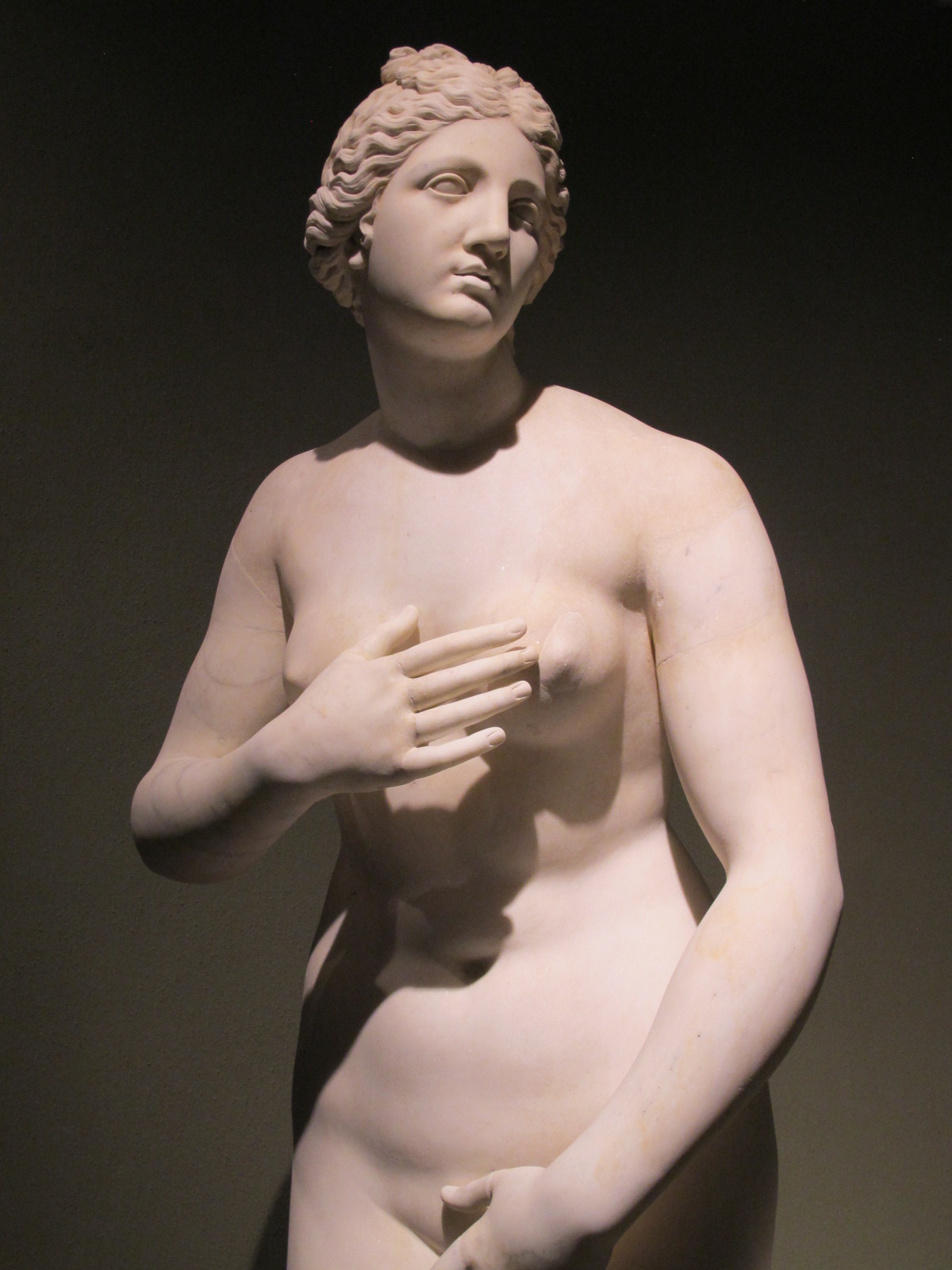


It was amazing to see all these sculptures up close and in person, as they have really only been “seen” for decades in books. What a way to start our first trip back to the Eternal City after COVID! And yes, we were too tired afterward to see or do much of anything else, jet lag definitely gets harder as you get older.

 The Spanish Steps Apartment on Via della Mercede
One thought on “The Torlonia Marbles”
Comments are closed.