
A favorite childhood memory of Rome is Castel Sant’Angelo. It’s beautiful to look at, towering over the Tiber, and particularly striking at night.


Originally, the large round structure was the Mausoleum of the Roman Emperor Hadrian, built around 140 C.E. Interestingly, it is similar to the Mausoleum of Augustus.

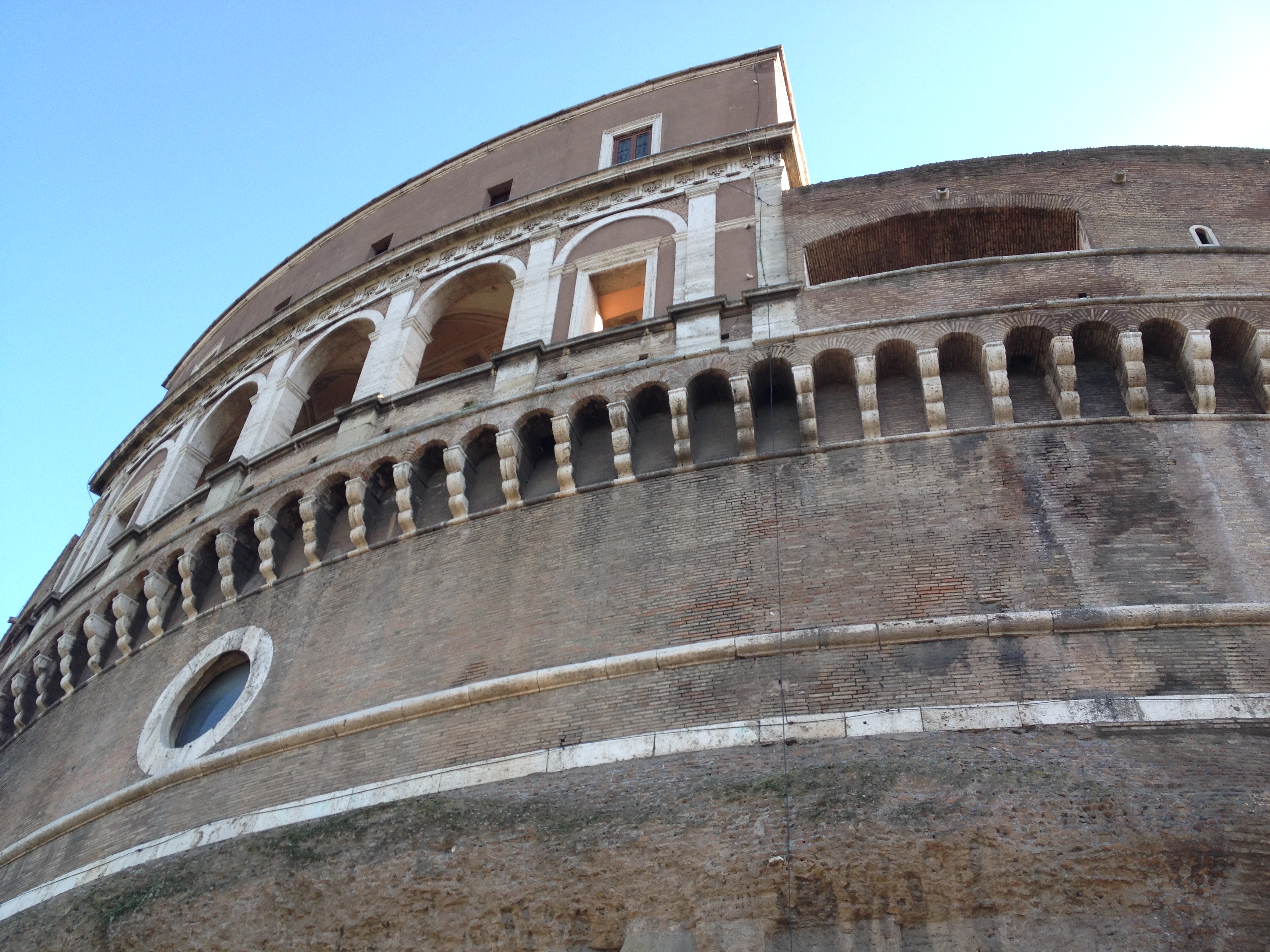
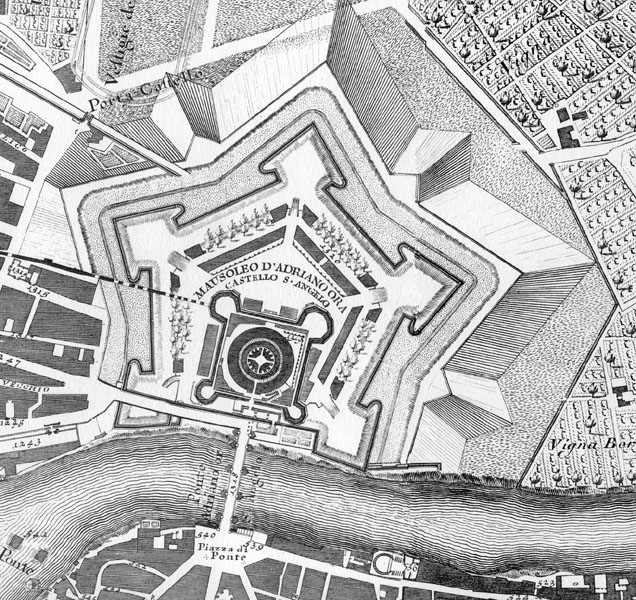
Eventually, as with so many places in Rome, it was adapted, being converted into a fortress for the pope, a place of refuge in times of conflict. Indeed, it is connected to the Vatican by a once-secret, elevated passageway, the Passetto di Borgo.
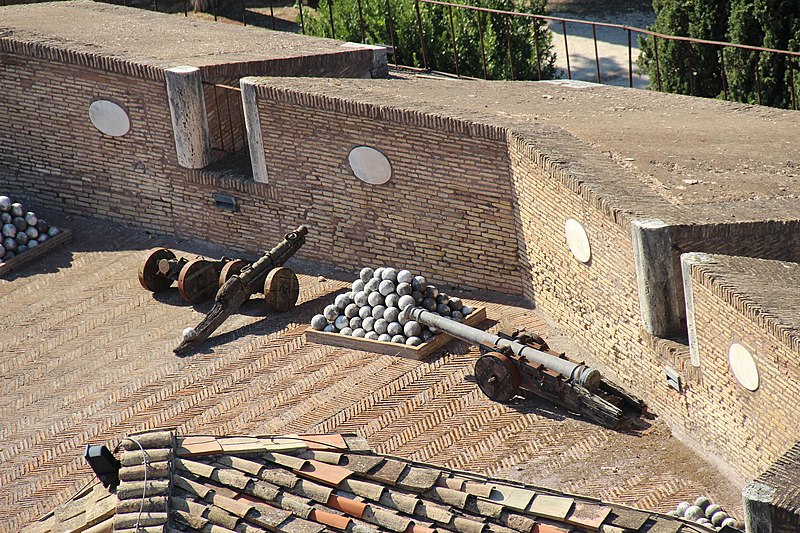
As a boy, what could be cooler than exploring a castle-fortress? I loved that it was a fort, complete with cannons and stacked pyramids of cannon balls. (And, it was easy to run around.)

One of the coolest things to explore is the giant, interior curved ramp. It leads up to the spot where the emperor’s remains (and those of other imperial family members) were once interred (alas, the imperial remains were scattered long ago by the invading Visigoths in 410 C.E.). Plus, the view from the top is terrific.

Several of the rooms can be toured. Let’s just say that even in a fortress, the popes liked their luxuries.

There’s even a papal restroom, which is sometimes open to the public (for viewing, not actual use).
At the top of Castel Sant’Angelo stands a statue of the Archangel Michael. Legend has it he is sheathing his sword, having to do with the ending of a plague that struck Rome in 590 C.E.
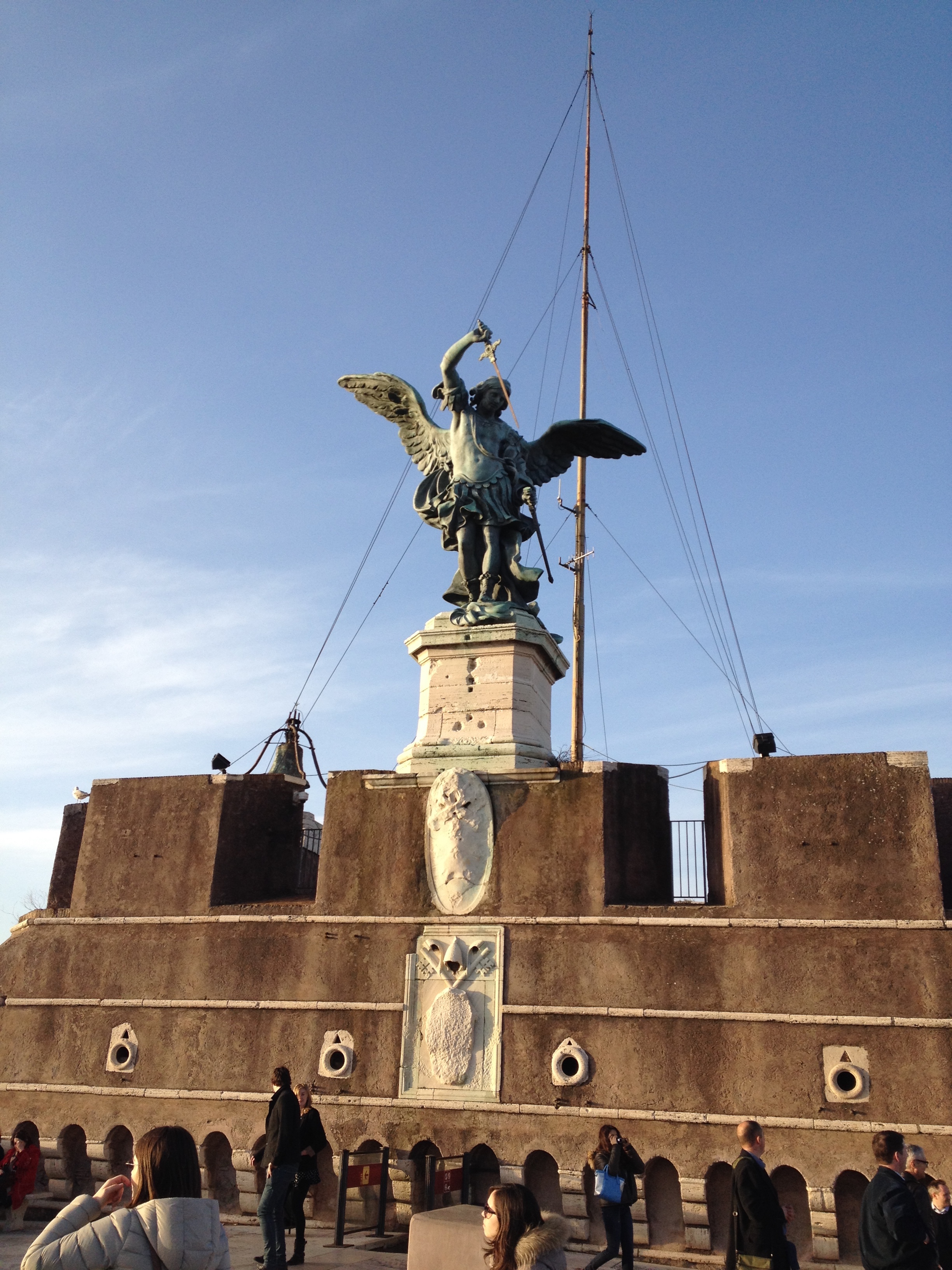
He’s actually the second version of the angel to guard the castle, the older version is now displayed in the interior courtyard.

It’s nice to think that, all these centuries later, the Archangel Michael still stands watch over the Eternal City.

 The Spanish Steps Apartment on Via della Mercede