
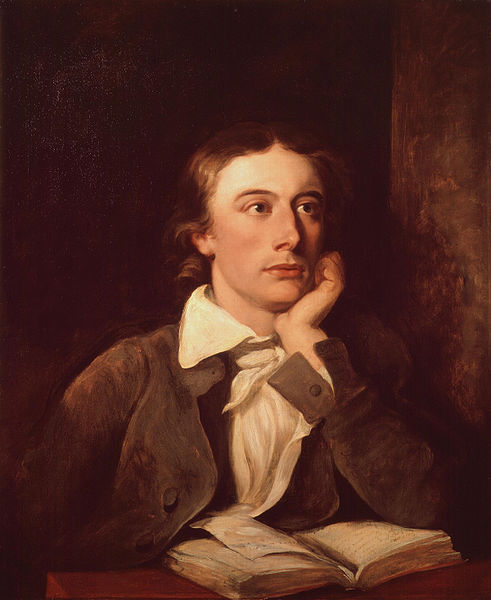
Just to the right of the Spanish Steps is the Keats-Shelley House Museum, otherwise known as the house where English Romantic poet John Keats died in 1821 after his brief stay in Rome. The museum showcases the lives and works of the Romantic poets, including Percy Shelley and Lord Byron.
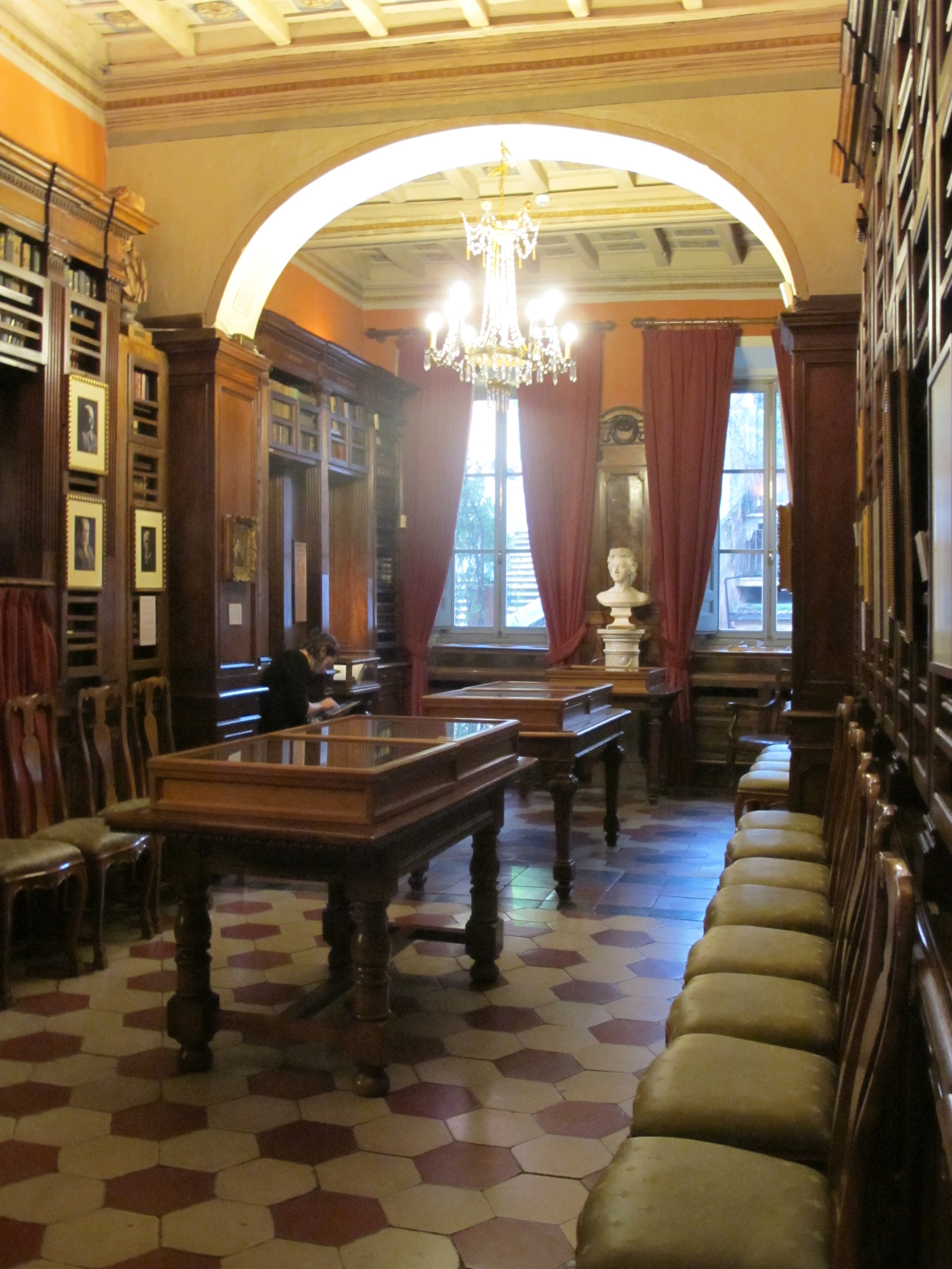
After watching a worthwhile introductory film on Keats and the Romantic poets, you find the museum’s several beautiful small rooms packed (literally) to the rafters with its collection of Romantic literature, consisting of more than 8,000 volumes.

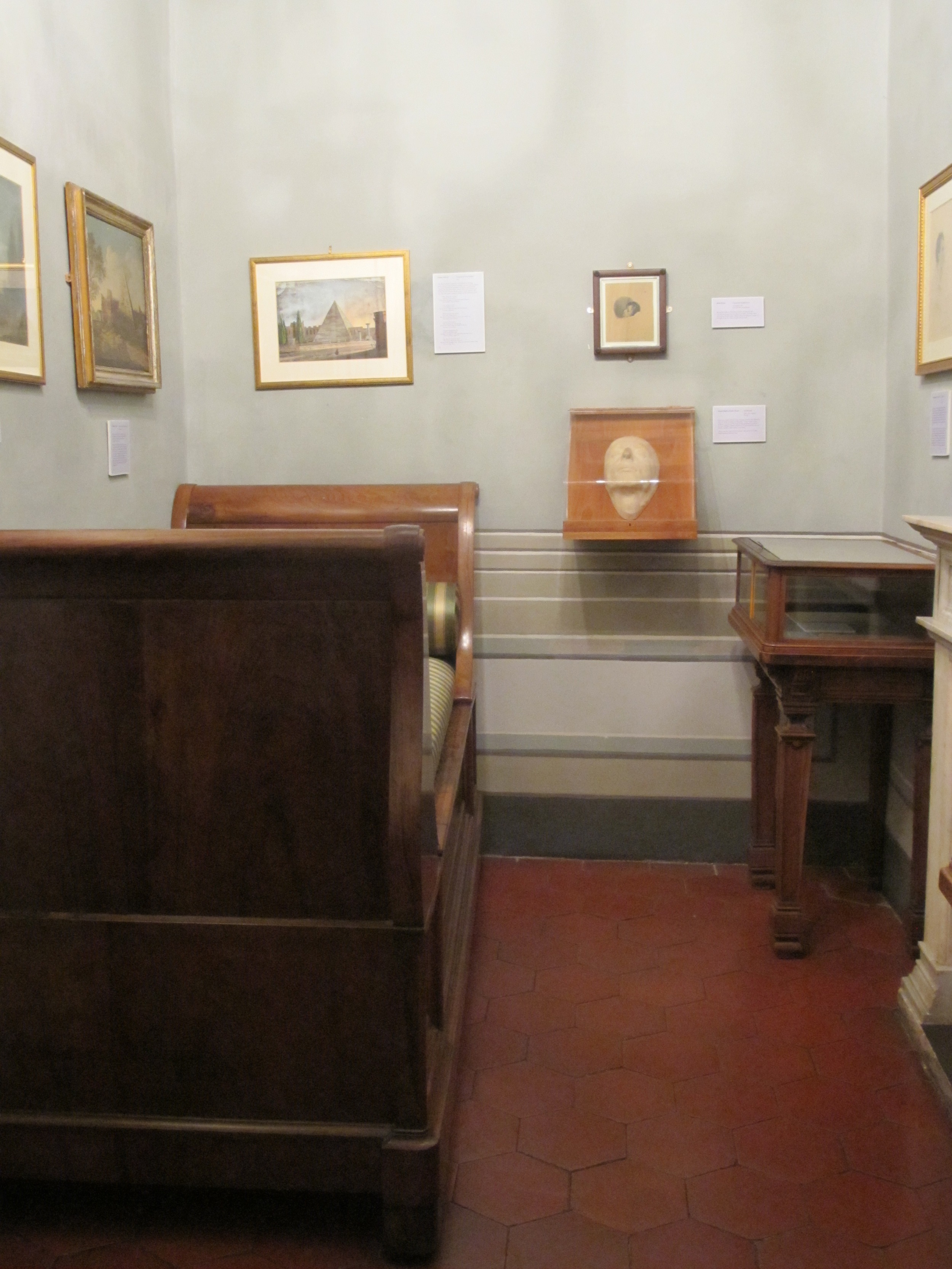
You also walk among several drawings, busts, and letters on the Romantic poets and their relationships with Italy in general and Rome in particular. Glass cases in the main hall and in a small side room hold exhibits.

By his early twenties, John Keats was already a celebrated poet and famous for such works as Ode on a Grecian Urn and La Belle Dame sans Merci. In 1820, he was suffering with tuberculosis, which had killed several members of his family. So Keats moved to Italy with his friend, artist Joseph Severn, and settled in the house by the Spanish Steps, where his room overlooked Piazza di Spagna. From this room, he could hear the gentle gurgling of the Barcaccia fountain when his windows were open. In spite of his move to Rome for its mild climate, Keats died there on February 23, 1821, aged only twenty-five years.
Keats is buried in the Protestant Cemetery in the Testaccio section of Rome, which happens to be the same cemetery where my father is buried. Keats’ tombstone reads, “The Grave contains all that was Mortal of a Young English Poet… Here lies One Whose Name was writ on Water.”

His friend, Joseph Severn, is buried next to him, and the ashes of fellow poet Shelley are also buried at the Protestant Cemetery.

 The Spanish Steps Apartment on Via della Mercede