
A few weeks ago we went on yet another excellent walking tour with Context Rome. The theme was “Gardens of Paradise, Medieval Mosaics.” We started with the majestic Santa Maria Maggiore on the Esquiline Hill, and then went to two nearby, smaller churches.
I’ve always loved the story of Santa Maria Maggiore, built in the 4th century, when the Virgin Mary appeared in a vision to Pope Liberius, instructing him to erect a church on a spot where snow would fall — in August(!). The Virgin delivered her miracle, snow fell on the Esquiline Hill, and there the church was built. And it is glorious.

Focusing today on the mosaics, as this is a church dedicated to the Virgin, the emphasis is on her. The beautiful depiction of Christ placing a crown on his mother’s head (at the top of this post) is the centerpiece. The two sit on opulent cushions, seemingly floating in the heavens, surrounded by angels and an amazing vine that forms circle after circle around them. Another scene shows the death of the Virgin.

Other panels depict biblical scenes, in gorgeous detail.
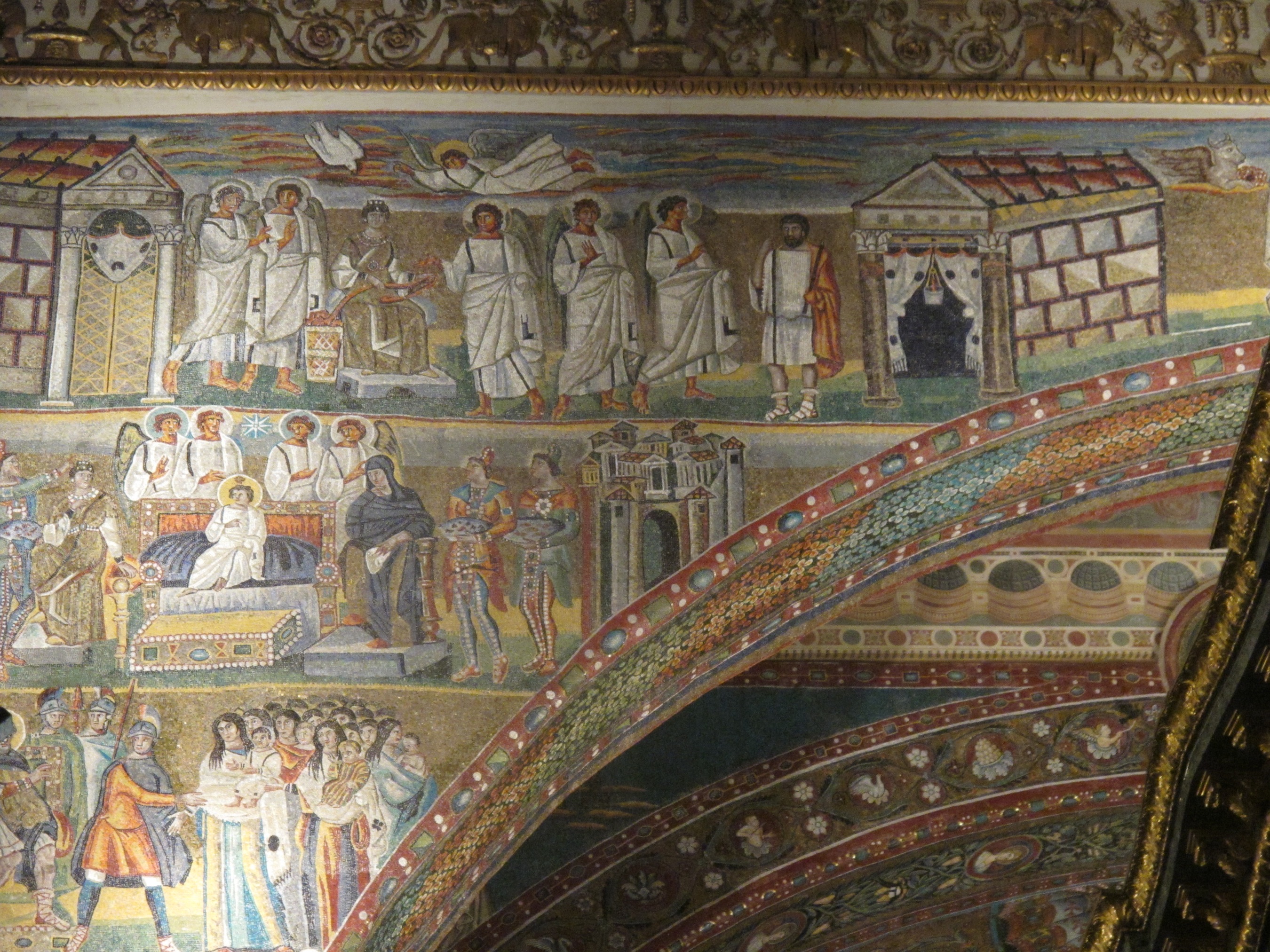

Santa Prassede, a small but dazzling church, was built by Pope Paschal I in the 9th century.
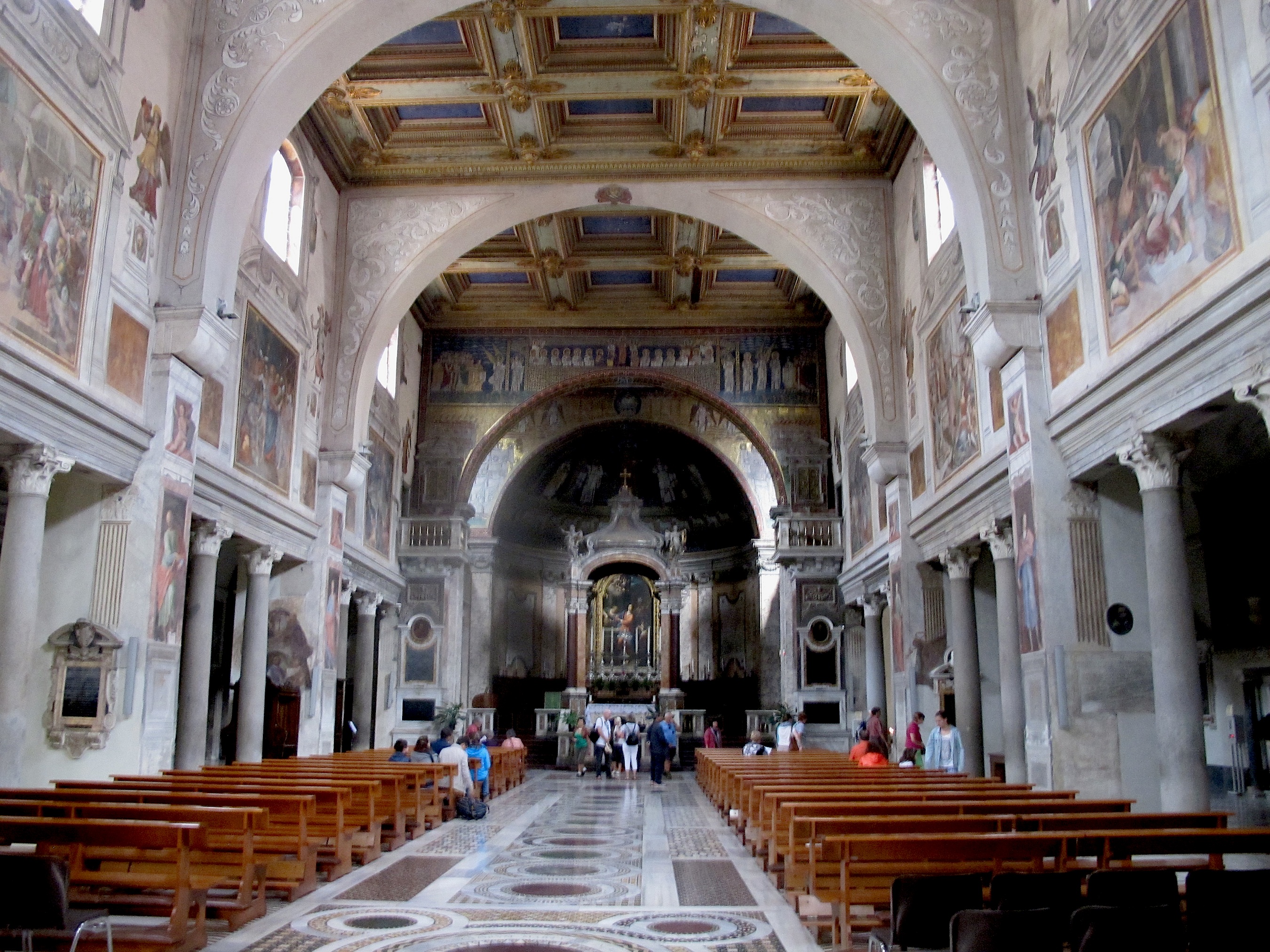
The apse mosaic showing Christ, saints, and a row of lambs is exquisite:

Off to one side of the church, the St. Zeno Chapel is a beautiful example of Byzantine mosaic work. The entrance is decorated with saints and religious figures:

Inside, four angels stand on pillars in each corner, framing a medallion of Christ, the entire ceiling in shining gold tiles:

Our last church, Santa Pudenziana, possibly one of the oldest churches in Rome, is also lovely.
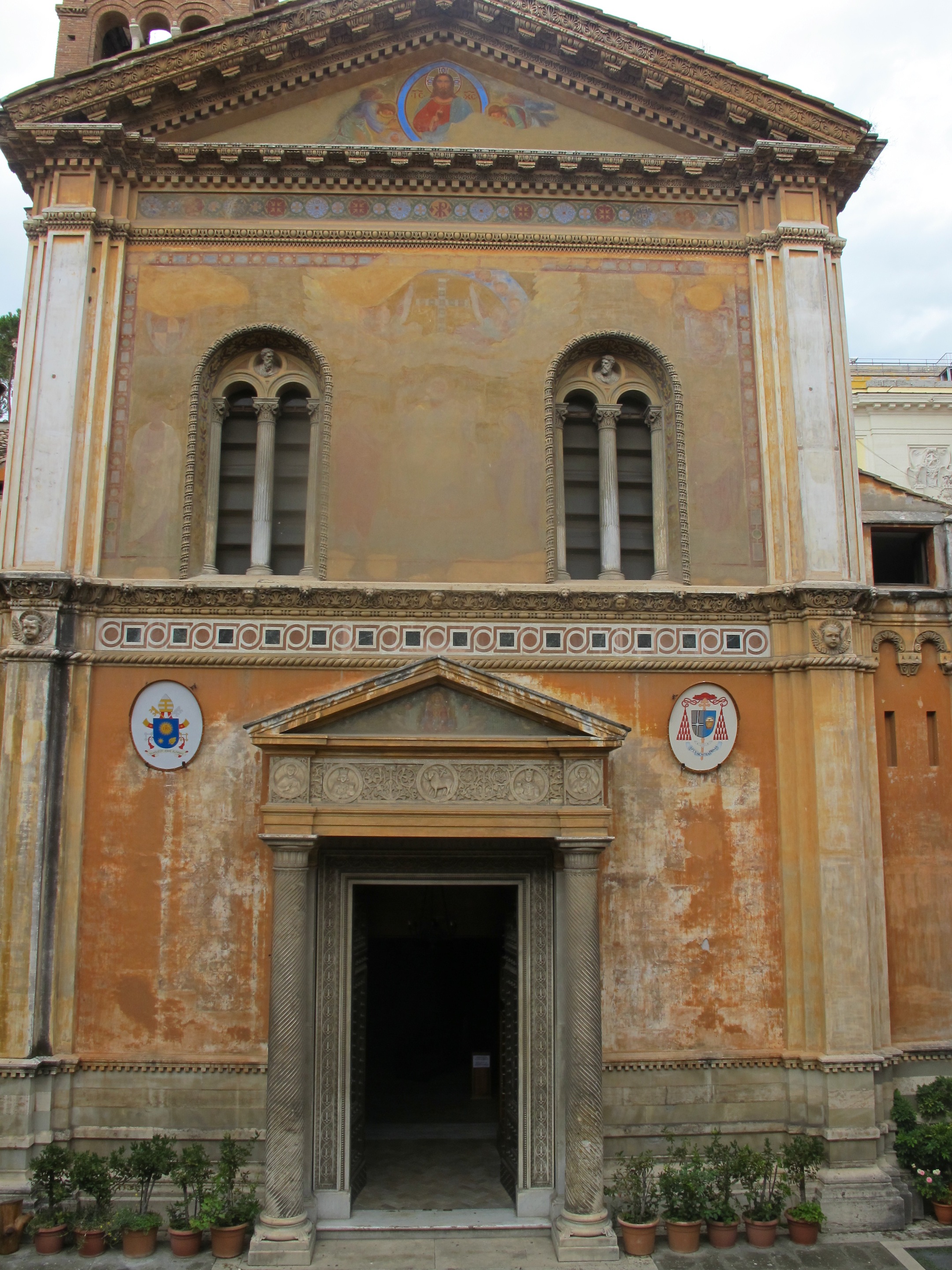

Inside, the marvelous mosaics continued:


Our tour consisted of just five people, and our docent, Dr. Lauren Golden, was wonderful in jumping from art, to history, to legend. The stories of the two smaller churches, and the saints they are named for, is particularly fascinating. This is a terrific tour to get you off the beaten path and into some of the most lovely churches in the Eternal City.

 The Spanish Steps Apartment on Via della Mercede